What a Trip Actually Costs
Once you are on the ground China is cheaper than most of Western Europe — with the notable exceptions of flagship attraction tickets and anything in Hong Kong.
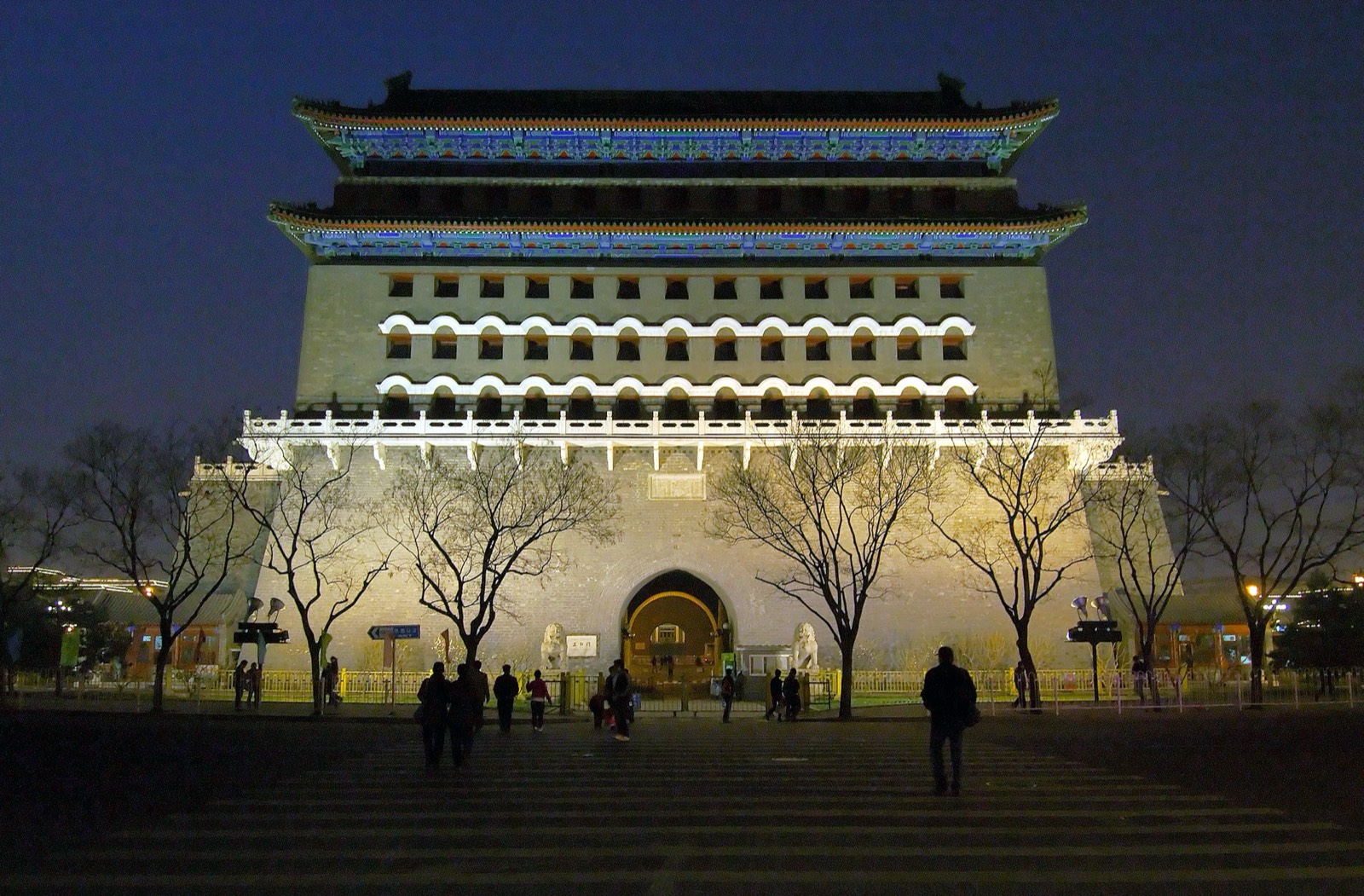
Photo: © Vyacheslav Argenberg, VascoPlanet.com · CC BY 3.0 · resized
Flights aside, China is a good-value destination and has become more so as the yuan has softened. The structure of costs is unusual, though: transport and food are cheap relative to Western Europe, mid-range hotels are excellent value, and attraction tickets are comparatively expensive — a flagship site at ¥120–275 is more than most European museums charge.
Daily budgets
| Style | Per person per day | What that buys |
|---|---|---|
| Backpacker | ¥250–400 (£27–43 / $35–55) | Hostel dorm or budget double, street food and local restaurants, metro and buses, one paid sight most days |
| Comfortable mid-range | ¥450–750 (£48–80 / $62–103) | Good 3–4 star hotel, restaurant meals, second-class high-speed rail, all the major sights, occasional taxi |
| Upper mid-range | ¥900–1,500 (£96–160 / $124–205) | 4–5 star hotel, first-class rail, a private guide day or two, better restaurants |
| Luxury | ¥2,500+ (£265+ / $340+) | International 5-star, business-class rail, private car and guide throughout |
What individual things cost
| Item | Typical price |
|---|---|
| Metro ride | ¥3–7 |
| Didi across a city | ¥20–45 |
| Street breakfast (baozi, noodles, soy milk) | ¥8–15 |
| Lunch at a local restaurant | ¥25–45 |
| Dinner for two with beer at a good local place | ¥120–200 |
| Peking duck at a proper restaurant, for two | ¥300–450 |
| Bottle of local beer in a shop | ¥4–8 |
| Coffee at a chain | ¥18–35 |
| 3-star hotel double, second-tier city | ¥250–400 |
| 4-star hotel double, Beijing or Shanghai | ¥500–900 |
| Beijing–Xi'an second-class high-speed rail | ¥515 |
| Beijing–Shanghai second-class high-speed rail | ¥553 |
| Domestic flight, booked 3 weeks out | ¥500–1,100 |
| Flagship attraction ticket | ¥60–275 |
| Full-day private guide with car | ¥800–1,500 |
Two-week sample budgets
| Trip | Mid-range total per person | Notes |
|---|---|---|
| Beijing – Xi'an – Shanghai, 14 days | ¥7,500–10,500 (£800–1,120) | The classic first trip. Rail between all three, no domestic flights needed |
| Beijing – Xi'an – Chengdu – Guilin, 16 days | ¥9,000–12,500 | Adds one internal flight and two mountain-region days |
| Silk Road: Xi'an – Zhangye – Dunhuang – Turpan, 12 days | ¥8,000–11,000 | Long rail legs, cheap food, expensive cave tickets |
| Yunnan loop: Kunming – Dali – Lijiang – Shangri-La, 12 days | ¥7,000–10,000 | Cheapest of the classic routes, excellent value guesthouses |
Where the money goes that you did not expect
- Attraction tickets. Zhangjiajie's park pass plus cable cars plus Tianmen Mountain runs to ¥600 per person. Budget ¥100–150 a day for sights on a busy itinerary.
- Compulsory internal shuttle buses at scenic areas — usually ¥50–120 on top of the ticket, and not optional.
- Hong Kong, which costs roughly double the mainland for hotels and drinks.
- Airport transfers in cities where the metro does not reach your terminal.
- Bottled water, which you will buy constantly because the tap water is not drinkable.
Where you save
- Eating locally. A ¥30 bowl of noodles in a neighbourhood shop is often better than a ¥150 hotel meal.
- High-speed rail second class, which is comfortable, punctual and half the price of first.
- Metro systems, which are new, extensive and cost almost nothing.
- Domestic hotel chains — Atour, Ji, Hanting — which are clean, modern and half the price of international brands.
- Free museums. Most provincial museums cost nothing; they just need booking.
→Next guide
Money & Mobile Payments
China skipped credit cards and went straight to QR codes. Since 2024 foreign Visa and Mastercard can be bound directly inside Alipay and WeChat Pay — set this up before you fly.