Health, Safety & Scams
China is a very safe country for visitors. The genuine risks are traffic, air quality, altitude and a handful of well-rehearsed tourist scams.
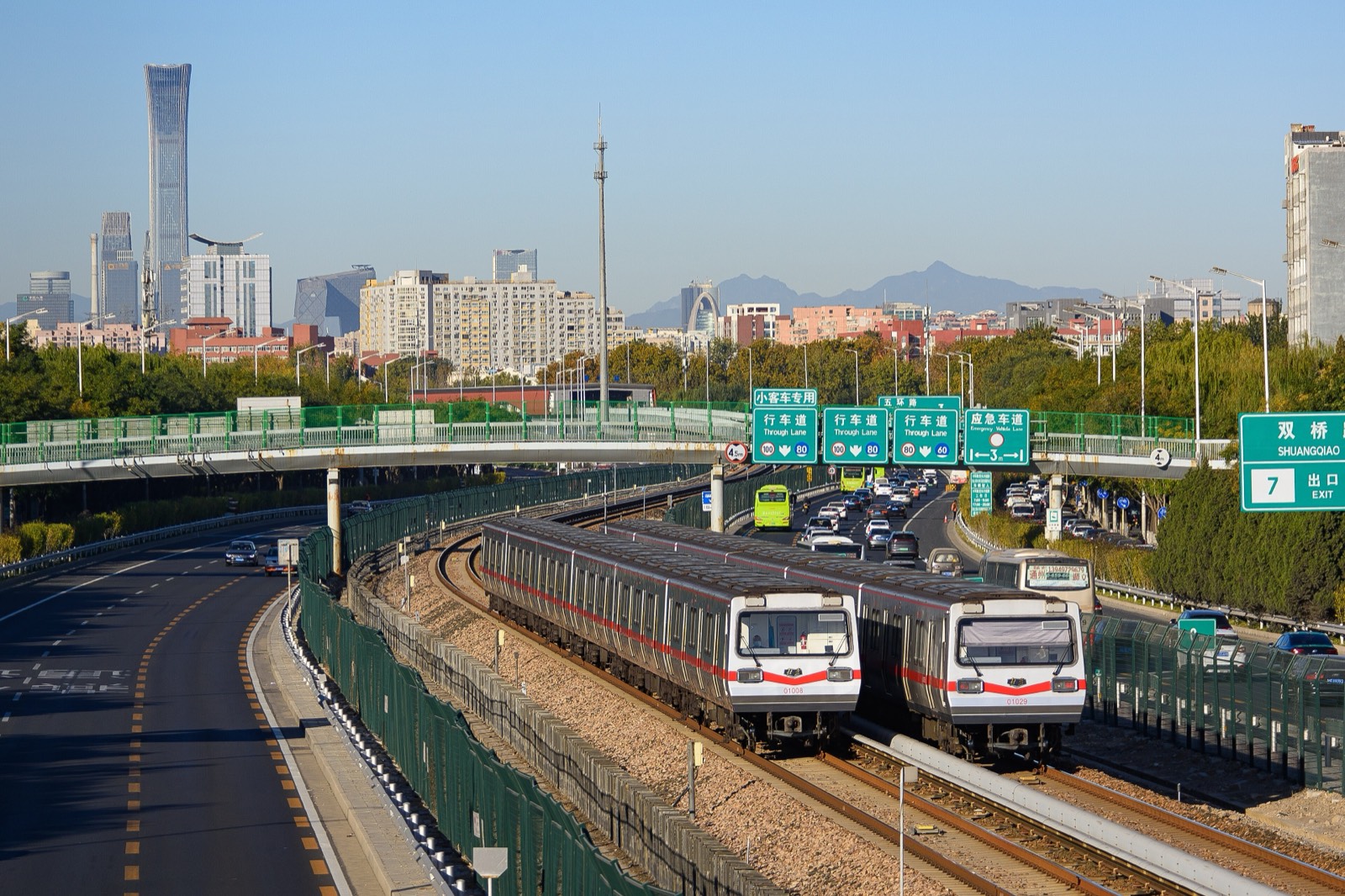
Photo: N509FZ · CC BY-SA 4.0 · resized
By the standards of most countries a Western traveller visits, China is exceptionally safe. Violent crime against foreigners is rare, cities feel secure walking alone late at night, and the density of cameras and police presence — whatever one thinks of it in the abstract — means street crime is uncommon. Pickpocketing exists in crowded tourist areas and on the metro; that is roughly the extent of ordinary criminal risk.
The scams that actually happen
| Scam | Where | How it works |
|---|---|---|
| The tea ceremony | Wangfujing, Tiananmen, the Bund, Xi'an's Bell Tower | Friendly students practising English invite you to a traditional tea house. The bill is ¥2,000+ and the door is watched |
| The art student gallery | Same locations | An 'art student' invites you to see their exhibition. Heavy pressure to buy mass-produced scrolls at absurd prices |
| Airport and station taxi touts | Every major transport hub | Approach you inside the terminal, quote a flat fare four times the meter. Use the official rank or Didi |
| The 'closed' attraction | Outside major sights | You are told the site is shut today and offered an alternative tour. It is not shut |
| Rigged tour add-ons | Great Wall and Terracotta Army bus tours | The itinerary includes a 'jade factory' or 'silk museum' — a commission stop that eats hours |
| Fake monks | Temple approaches, tourist streets | Offer a blessing or an amulet, then demand a large donation. Real monks do not solicit |
Health before you go
- No vaccinations are required for entry. Routine cover — MMR, tetanus, diphtheria — should be current. Hepatitis A and typhoid are commonly recommended; rabies if you will be rural or cycling.
- Comprehensive travel insurance including medical evacuation is essential. Good private hospitals expect payment up front.
- Bring your own supply of any prescription medication in original packaging, with a copy of the prescription. Some common Western drugs are unavailable or controlled.
- Codeine, some ADHD medication and some strong painkillers are restricted or prohibited. Check before you pack them.
Air quality
Substantially improved since the 2013 peak, but northern China in winter still produces bad days. Beijing, Xi'an and the Hebei industrial belt are the worst; the south and southwest are usually fine. Check the AQI on a real-time app before planning an outdoor day. If you have asthma or a respiratory condition, bring an N95 mask and your inhaler, and treat readings above 150 as a day to visit a museum.
Altitude
This is the most underestimated risk in Chinese travel. Lhasa is at 3,656 m; Jiuzhaigou's airport at 3,450 m; Shangri-La at 3,200 m; Jade Dragon Snow Mountain's cable car tops out at 4,506 m; Everest Base Camp is 5,150 m. Altitude sickness at these heights is common, occasionally serious, and unrelated to fitness.
- Ascend gradually. Do nothing on your first day above 3,000 m.
- Drink far more water than feels necessary; avoid alcohol for the first 48 hours.
- Know the warning signs: worsening headache, vomiting, breathlessness at rest, confusion, loss of coordination.
- The only reliable treatment is descent. Do not push on and hope.
- Ask your doctor about acetazolamide before you travel; it needs to start before you ascend.
Traffic
Genuinely the biggest physical danger you will face. Right turns on red are permitted, so a green pedestrian signal does not mean the crossing is clear. Silent electric scooters use pavements, cycle lanes and pedestrian crossings, frequently against the flow of traffic. Look both ways on a one-way street, and cross with a group of locals whenever you can.
Practical emergencies
| Need | Number / action |
|---|---|
| Police | 110 |
| Ambulance | 120 |
| Fire | 119 |
| Traffic accident | 122 |
| Tourist hotline (multilingual) | 12301 |
| Serious illness | Go to an international clinic or a Grade 3A hospital's VIP wing; your insurer's assistance line can direct you |
| Lost passport | Report to police for a loss certificate, then contact your embassy in Beijing or the nearest consulate |
→Next guide
What to Pack
Plugs, a power bank, tissues, and the small things that are annoying to source once you are there.