Wuzhen & the Water Towns
乌镇 · Wūzhèn
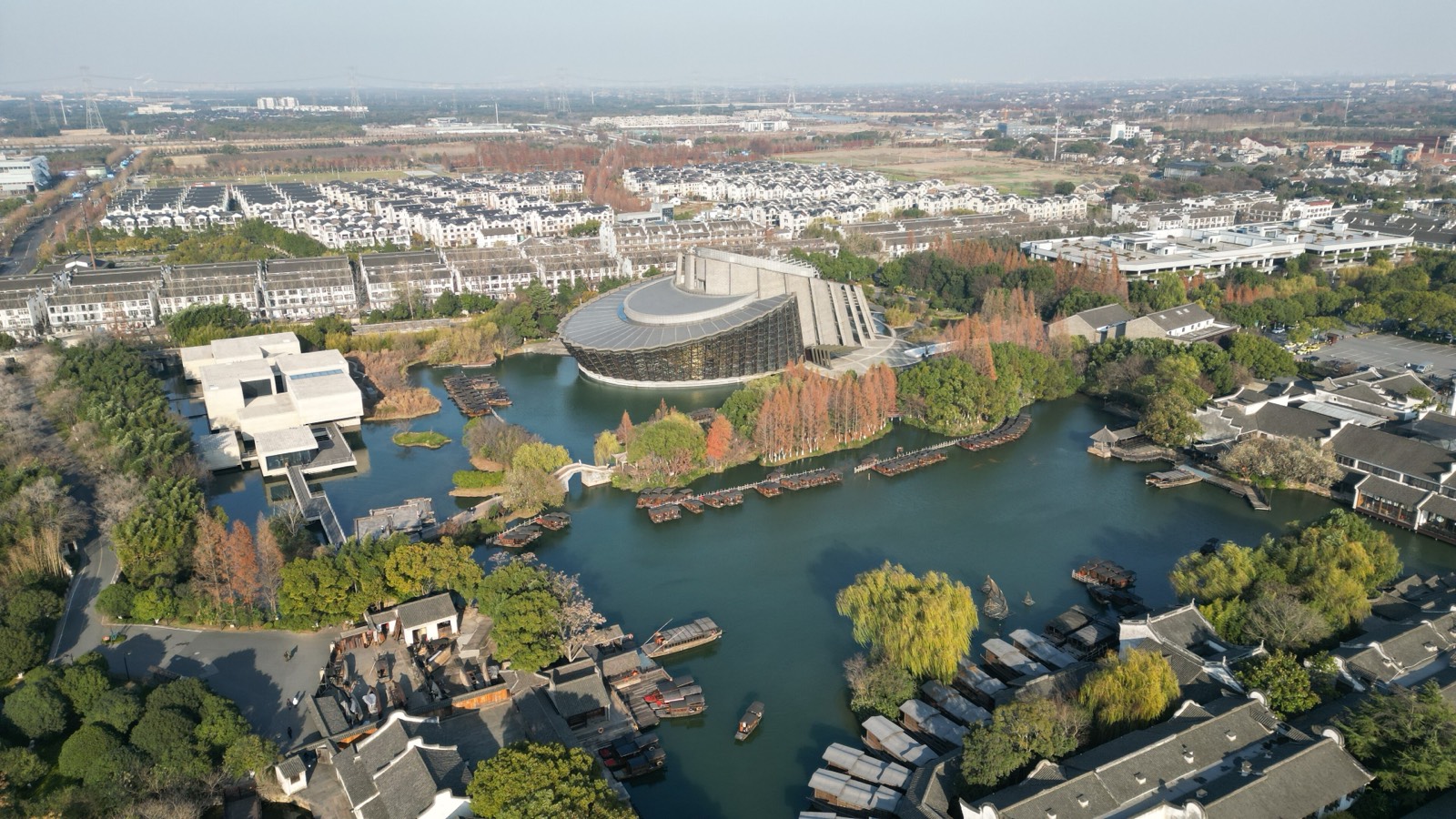
Stone bridges, black-tiled waterfront houses and a canal grid that has been the Yangtze delta's transport system for 1,300 years.
Photo: Chensiyuan · CC BY-SA 4.0 · resized
Before railways, the delta ran on water. Towns grew along canal junctions with houses built directly over the channels on stone piers, shops opening onto stone landings, and every journey made by boat. A dozen of these towns survive around Suzhou, Shanghai and Hangzhou, and Wuzhen is the most thoroughly and — depending on your tolerance — most successfully restored.
It is run as an integrated resort, which purists dislike and most visitors find works very well: the residents were relocated, the utilities buried, the buildings restored to a consistent Qing standard, and the whole thing ticketed. The Xizha (West Scenic Zone) is the large, beautiful, lantern-lit half where you stay; Dongzha (East) is smaller, older-feeling and does daytime crafts demonstrations — indigo dyeing, rice wine distilling, shadow puppetry.
The alternatives matter. Xitang is more lived-in and cheaper. Nanxun has grand merchant mansions and almost no crowds. Tongli and Zhouzhuang are closer to Suzhou. Zhujiajiao is 40 minutes from central Shanghai on the metro and is the easiest half-day version of the idea. If you only have time for one, Wuzhen's Xizha at night is the most beautiful.
Why go
- The canal-town image — arched bridges, laundry, black boats — done at its most polished
- Xizha after dark, floodlit and reflected, is legitimately stunning
- Craft workshops that are demonstrations rather than shops
- Easy from Shanghai, Suzhou or Hangzhou, and a good place to slow down for a night
Highlights
Xizha at night
The main event. 1.8 km of canal frontage with warm lighting, reflections and boats. Included with a night-inclusive ticket; day-trippers miss it entirely.
Dongzha workshops
Indigo cloth drying on tall frames, a working rice-wine distillery, a blue-calico printing workshop and shadow-puppet theatre.
Mao Dun's former residence
The novelist was born here in 1896; the house is preserved and the town features in his fiction.
Canal boats
Hand-poled wooden boats along the main channel. ¥90 shared, more privately. Best in the last hour of light.
Xitang & Nanxun
Alternatives an hour away — Xitang for its 1 km of covered waterfront arcade, Nanxun for Qing merchant mansions with imported European glass.
Photographs
Getting there & practicalities
Getting there
Tongxiang station is 20 minutes from Wuzhen by bus/taxi and 30 minutes by rail from Hangzhou, 1h from Shanghai Hongqiao. Direct tourist coaches also run from Shanghai and Hangzhou bus stations.
Tickets
Dongzha ¥110; Xizha ¥150; combined ¥190. Staying inside Xizha includes re-entry — this is the ticket that matters.
Opening hours
Dongzha 07:00–18:00; Xizha 09:00–22:00 (till 22:30 in summer).
Best time of day
Arrive mid-afternoon, do Xizha at dusk and after dark. Day trips see the worst version of this place.
What everyone gets wrong
- Book a guesthouse inside Xizha. It is the only way to be there at night without a night-ticket queue, and rooms are decent.
- Wuzhen is not a real town any more and pretending otherwise will disappoint you. Enjoy it as a very good stage set.
- For a lived-in alternative, go to Xitang or Nanxun instead — messier, cheaper, with actual residents.
- Zhujiajiao is on Shanghai Metro Line 17 and makes a fine half-day if your schedule is tight.
- Avoid weekends and holidays; midweek in shoulder season it is genuinely peaceful.
What to eat
- Sanbai wine, the local white spirit distilled from rice — sampled at the distillery
- Braised pork wrapped in lotus leaf, and hongshao yangrou, the delta's slow-cooked mutton
→Combine it with
Nearby and next
 UNESCO
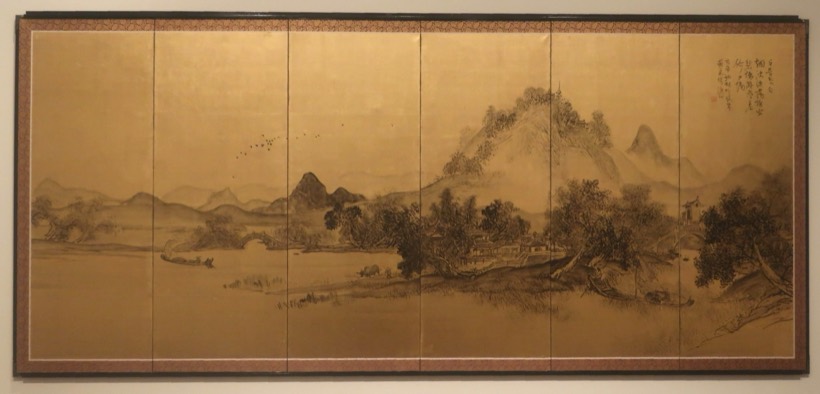
West Lake, Hangzhou 西湖
The most painted, poeticised and imitated lake in Asia — and a UNESCO listing for its influence on garden design across East Asia.
 UNESCO
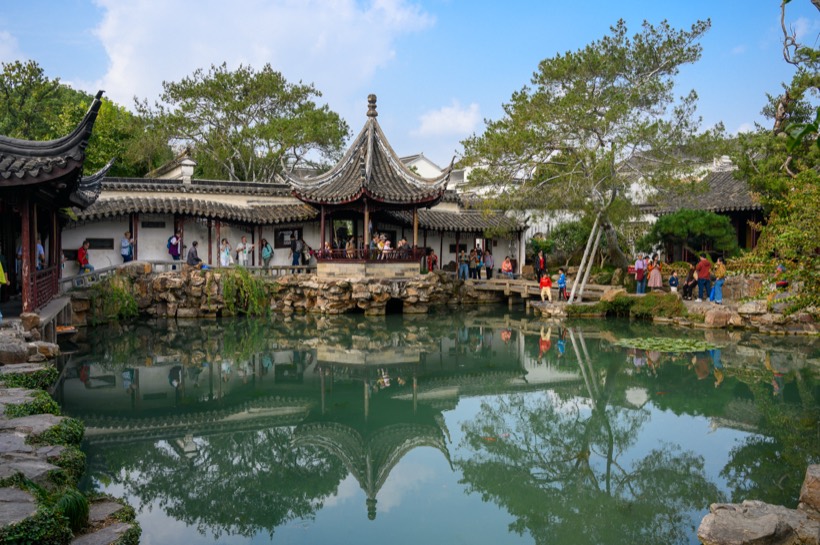
Suzhou Classical Gardens 苏州园林
Nine gardens on the World Heritage list, each one a whole landscape compressed into a courtyard.
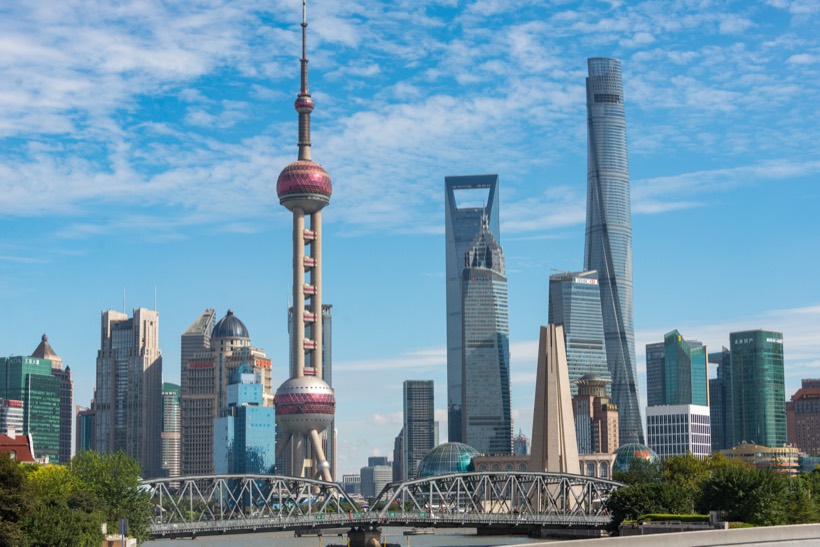
Shanghai 上海
A 1920s waterfront staring across a river at the tallest skyline in Asia, with the best restaurant scene in China in between.