The East
华东
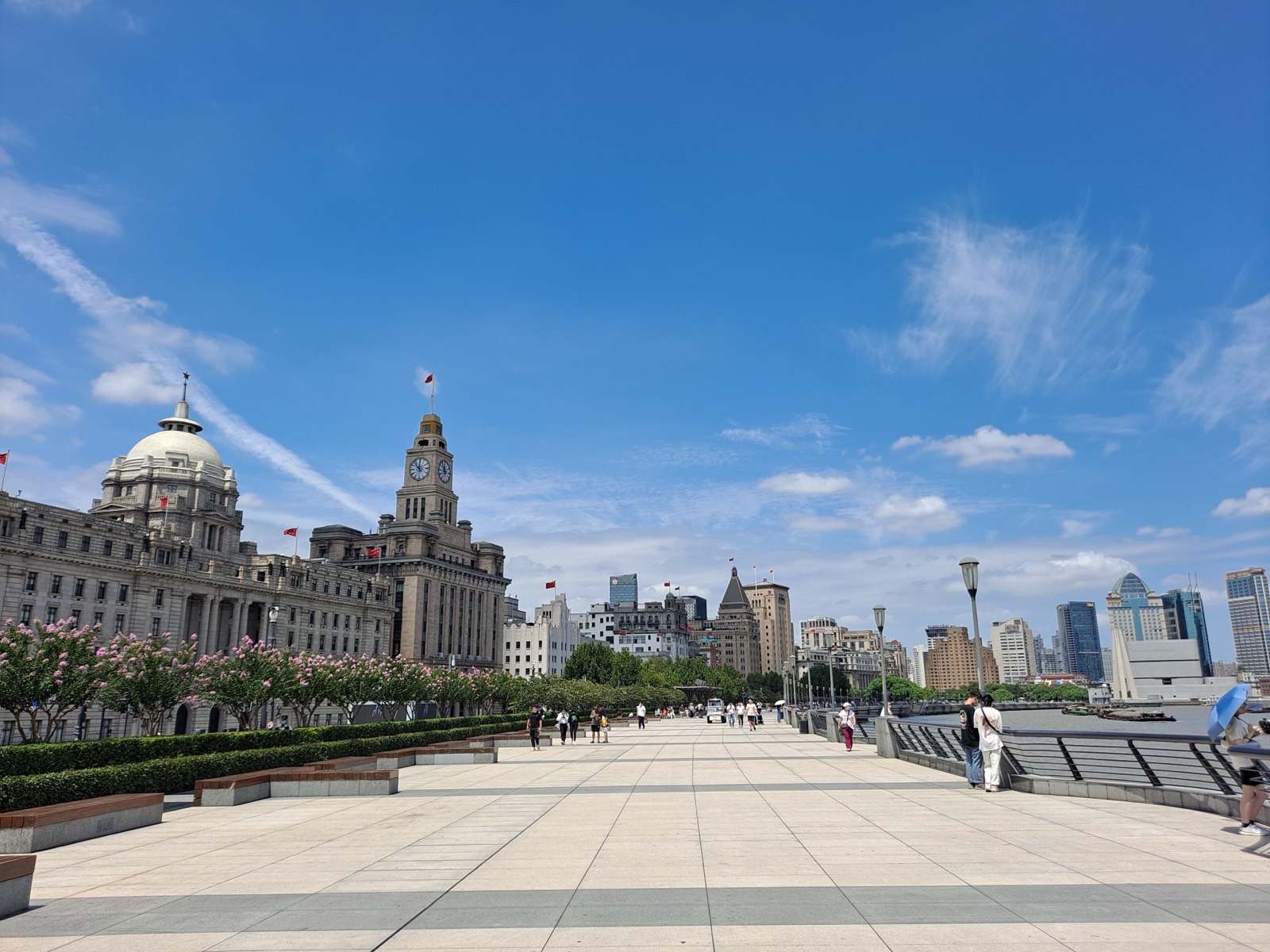
Canal towns, classical gardens, tea hills and the skyline of Shanghai.
Photo: 钉钉 · CC BY-SA 4.0 · resized
The Yangtze delta has been China's richest corner for a thousand years, and it shows: Suzhou's scholar gardens, Hangzhou's West Lake, the water towns threaded with stone bridges, and Shanghai stacking Art Deco waterfront against the tallest towers in the country. Distances are short, the rail network is dense, and you can move between a Song-dynasty tea terrace and a rooftop cocktail bar in ninety minutes.
Provinces & regions: Shanghai · Jiangsu · Zhejiang · Anhui · Jiangxi · Fujian
Best time to go: March to May and September to November. Avoid the July–August humidity.
09Covered in depth
9 destinations in this region
 UNESCO
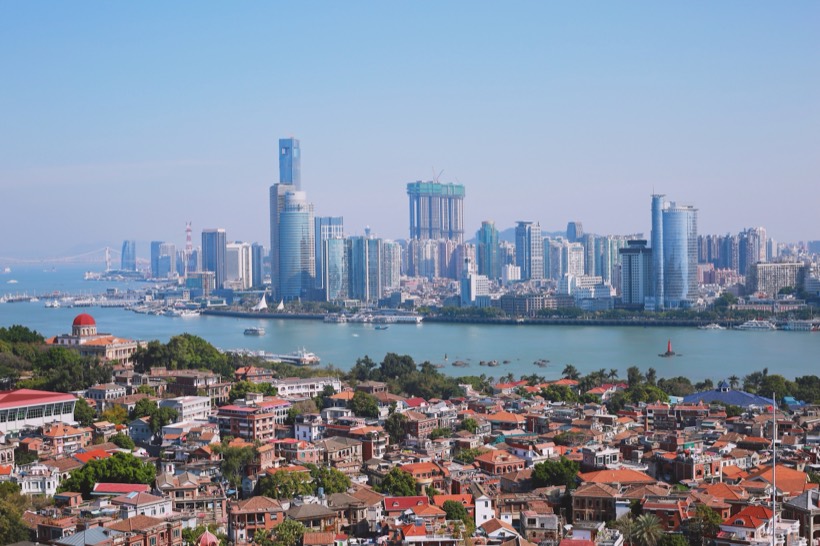
Gulangyu, Xiamen 鼓浪屿
A car-free island of decaying colonial villas, banyan trees and — genuinely — more pianos per head than anywhere on earth.
 UNESCO
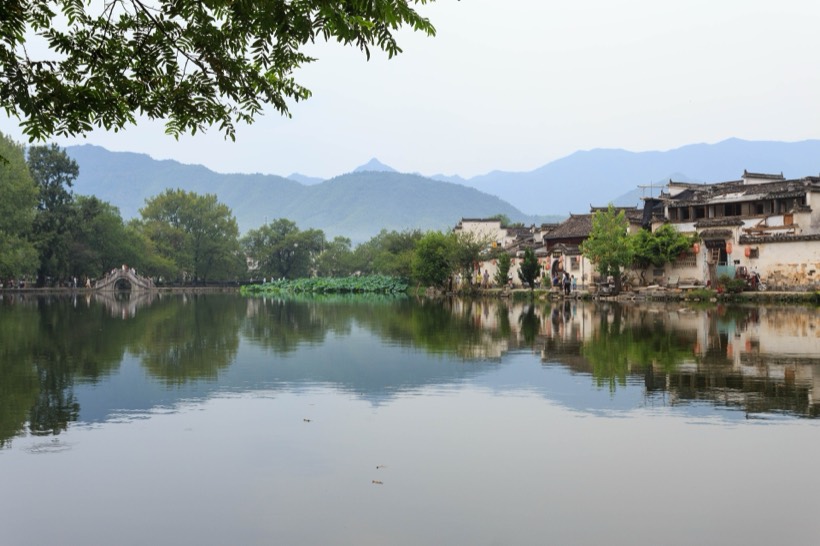
Hongcun & Xidi 宏村与西递
White walls, black tiles, and a village laid out in the shape of an ox with a stream running through every house.
 UNESCO
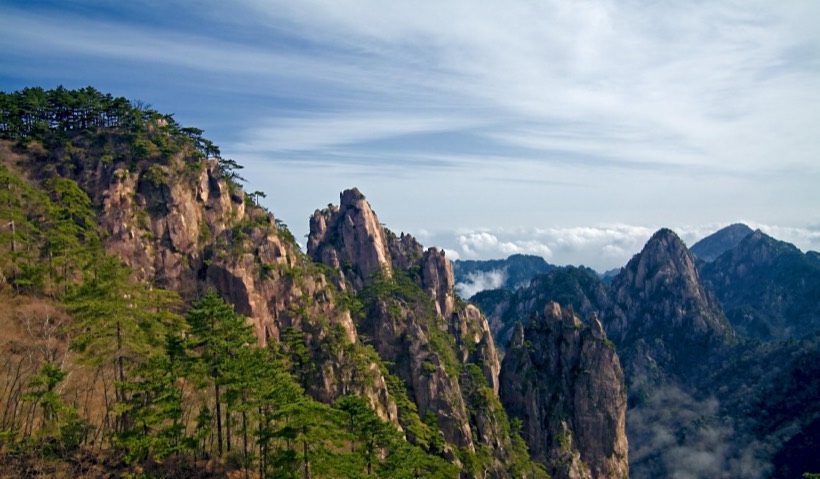
Huangshan (Yellow Mountain) 黄山
Granite spires, twisted pines and a sea of cloud — the mountain that taught Chinese painting what a mountain looks like.
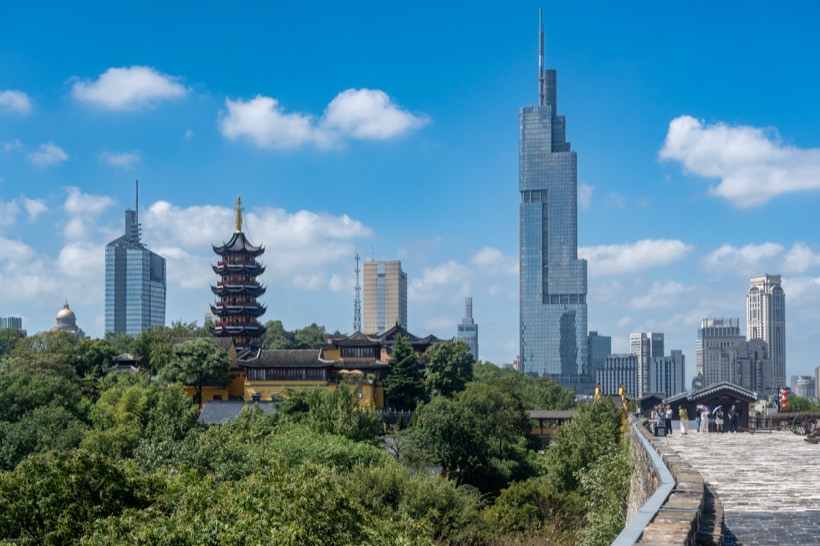
Nanjing 南京
The southern capital: Ming walls, a spirit road of stone animals, and the most sober memorial in China.
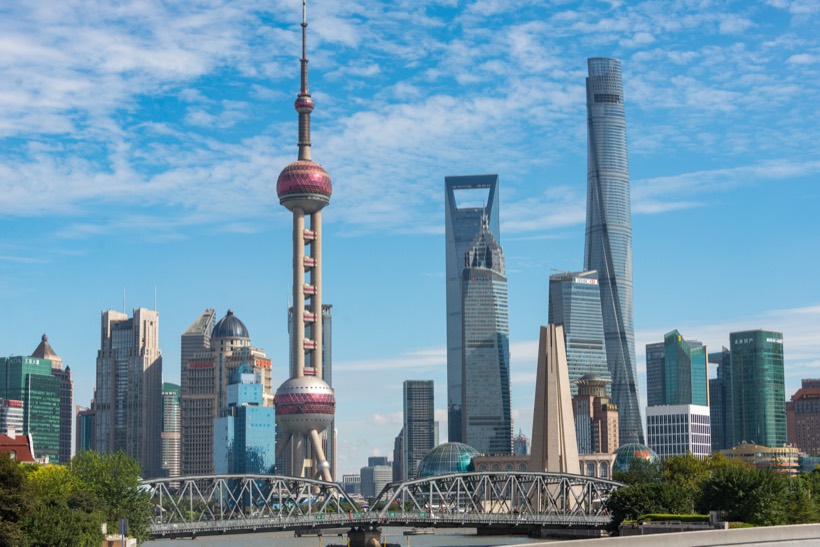
Shanghai 上海
A 1920s waterfront staring across a river at the tallest skyline in Asia, with the best restaurant scene in China in between.
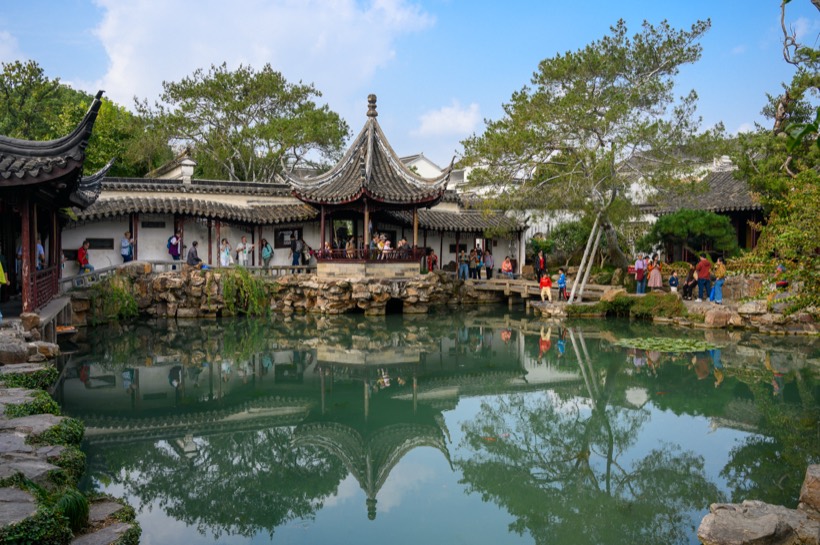 UNESCO
Suzhou Classical Gardens 苏州园林
Nine gardens on the World Heritage list, each one a whole landscape compressed into a courtyard.
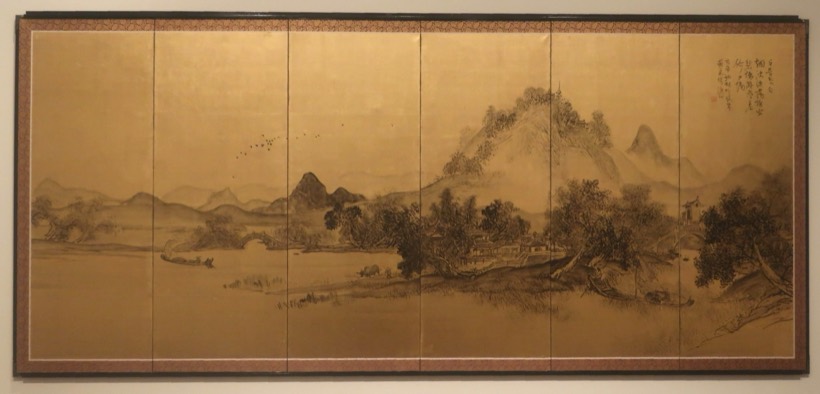 UNESCO
West Lake, Hangzhou 西湖
The most painted, poeticised and imitated lake in Asia — and a UNESCO listing for its influence on garden design across East Asia.
 UNESCO
Wuyi Mountains 武夷山
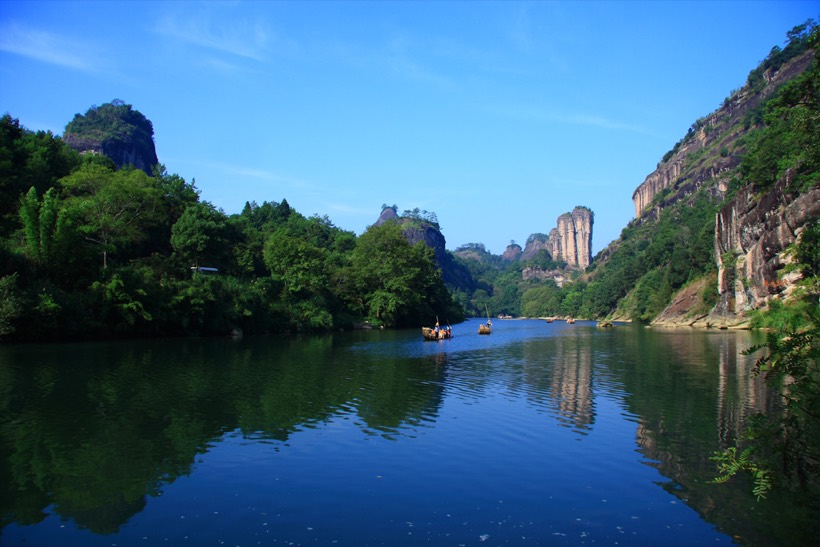
Bamboo rafts down a jade river between red sandstone cliffs, past the terraces that produce the world's most expensive tea.
Wuzhen & the Water Towns 乌镇
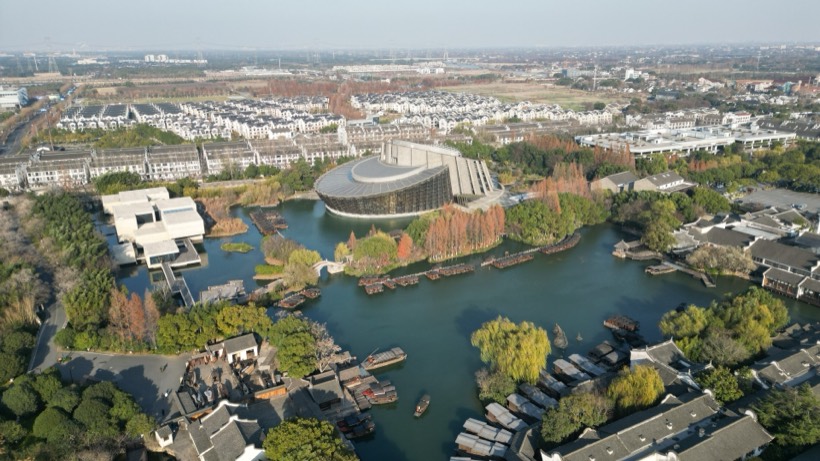
Stone bridges, black-tiled waterfront houses and a canal grid that has been the Yangtze delta's transport system for 1,300 years.
+Also worth knowing
27 more from the full index
-
Zhujiajiao朱家角 Shanghai
The easiest canal town — 40 minutes from central Shanghai on Metro Line 17, with a 72-metre Ming stone bridge.
-
Sheshan & Songjiang佘山 Shanghai
A basilica on Shanghai's only hill, and beside it the Shimao Wonderland hotel built down the face of a flooded quarry.
-
Yangzhou Slender West Lake瘦西湖 UNESCO Jiangsu
A Grand Canal salt-merchant city with a narrow willow-lined lake, a five-pavilion bridge, and the best breakfast dim sum in the north.
-
Zhouzhuang & Tongli周庄与同里 Jiangsu
The two original canal towns near Suzhou — stone bridges, whitewashed gables and Ming merchant houses on the water.
-
Wuxi & Lake Tai无锡太湖 Jiangsu
Source of the eroded limestone in every classical garden, plus an 88-metre bronze Buddha at Lingshan.
-
Xuzhou Han Tombs徐州汉墓 Jiangsu
Rock-cut royal tombs of the Chu kings with jade burial suits and a pit of miniature terracotta soldiers.
-
Putuoshan普陀山 Zhejiang
An island sacred to Guanyin, the bodhisattva of compassion — monasteries, beaches and a 33-metre seaside statue.
-
Nanxun南浔 Zhejiang
The quietest and grandest canal town: silk-merchant mansions with imported Belgian glass and private libraries.
-
Shaoxing绍兴 Zhejiang
Lu Xun's home town, black-awning canal boats, and the yellow rice wine that has been brewed here for 2,500 years.
-
Yandang Mountain雁荡山 UNESCO Zhejiang
A volcanic geopark of spires, sea caves and a 190-metre waterfall, with a nightly acrobatic show on a cliff face.
-
Qiandao Lake千岛湖 Zhejiang
1,078 forested islands in a 1959 reservoir, with two intact Ming towns preserved 30 metres underwater.
-
Wuyuan婺源 Jiangxi
Huizhou-style villages among rapeseed fields that turn brilliant yellow in late March — the most photographed spring in China.
-
Mount Lu庐山 UNESCO Jiangxi
A cloud-wrapped summer hill station of European villas, waterfalls, and 1,500 years of poetry about not seeing the mountain for the mist.
-
Jingdezhen景德镇 Jiangxi
The porcelain capital for a thousand years, with imperial kiln excavations and a thriving young ceramics scene.
-
Sanqingshan三清山 UNESCO Jiangxi
Granite pillars and cliff-edge boardwalks in a Daoist range, less crowded and nearly as beautiful as Huangshan.
-
Longhushan龙虎山 UNESCO Jiangxi
The birthplace of religious Daoism, with red Danxia cliffs and 2,600-year-old hanging coffins winched into caves.
-
Quanzhou泉州 UNESCO Fujian
Marco Polo's Zayton, the greatest port in the medieval world, with mosques, Hindu carvings and Manichaean remains side by side.
-
Fuzhou Three Lanes and Seven Alleys三坊七巷 Fujian
A preserved quarter of whitewashed Ming and Qing scholar-official houses in the middle of a modern provincial capital.
-
Hui'an & Chongwu崇武 Fujian
A Ming coastal fortress and the Hui'an women, whose distinctive headscarf-and-bare-midriff working dress is still worn.
-
Tunxi Old Street屯溪老街 Anhui
A 1.5 km Song-plan shopping street of Huizhou shopfronts, and the gateway town for Huangshan and the villages.
-
Jiuhuashan九华山 Anhui
The Buddhist sacred mountain of Ksitigarbha, with 90 working temples and several mummified monks on display.
-
Chengkan & Tangyue呈坎与棠樾 Anhui
A bagua-planned Ming village and a row of seven Qing memorial archways, both nearly empty of visitors.
-
Grand Canal京杭大运河 UNESCO Multiple
1,776 km from Beijing to Hangzhou, dug from the 5th century BC and still carrying freight. Best seen at Yangzhou, Suzhou or Huai'an.
-
Hemudu & Liangzhu良渚 UNESCO Zhejiang
A 5,300-year-old walled city with hydraulic works and extraordinary jade, pushing Chinese urban history back a millennium.
-
Pingtan Island平潭岛 Fujian
Stone fishing villages built from granite blocks, blue-tear bioluminescence in spring, and China's closest point to Taiwan.
-
Nanjing Yangshan Quarry阳山碑材 Jiangsu
An abandoned Ming stele, still attached to the bedrock, that would have weighed 31,000 tonnes had anyone worked out how to move it.
-
Xiapu Mudflats霞浦滩涂 Fujian
Seaweed racks, bamboo poles and fishing boats on tidal flats — one of Asia's most sought-after landscape photography locations.