How to Eat in China
There is no such thing as Chinese food — there are at least eight major regional cuisines, and the one you know from home is a narrow slice of one of them.
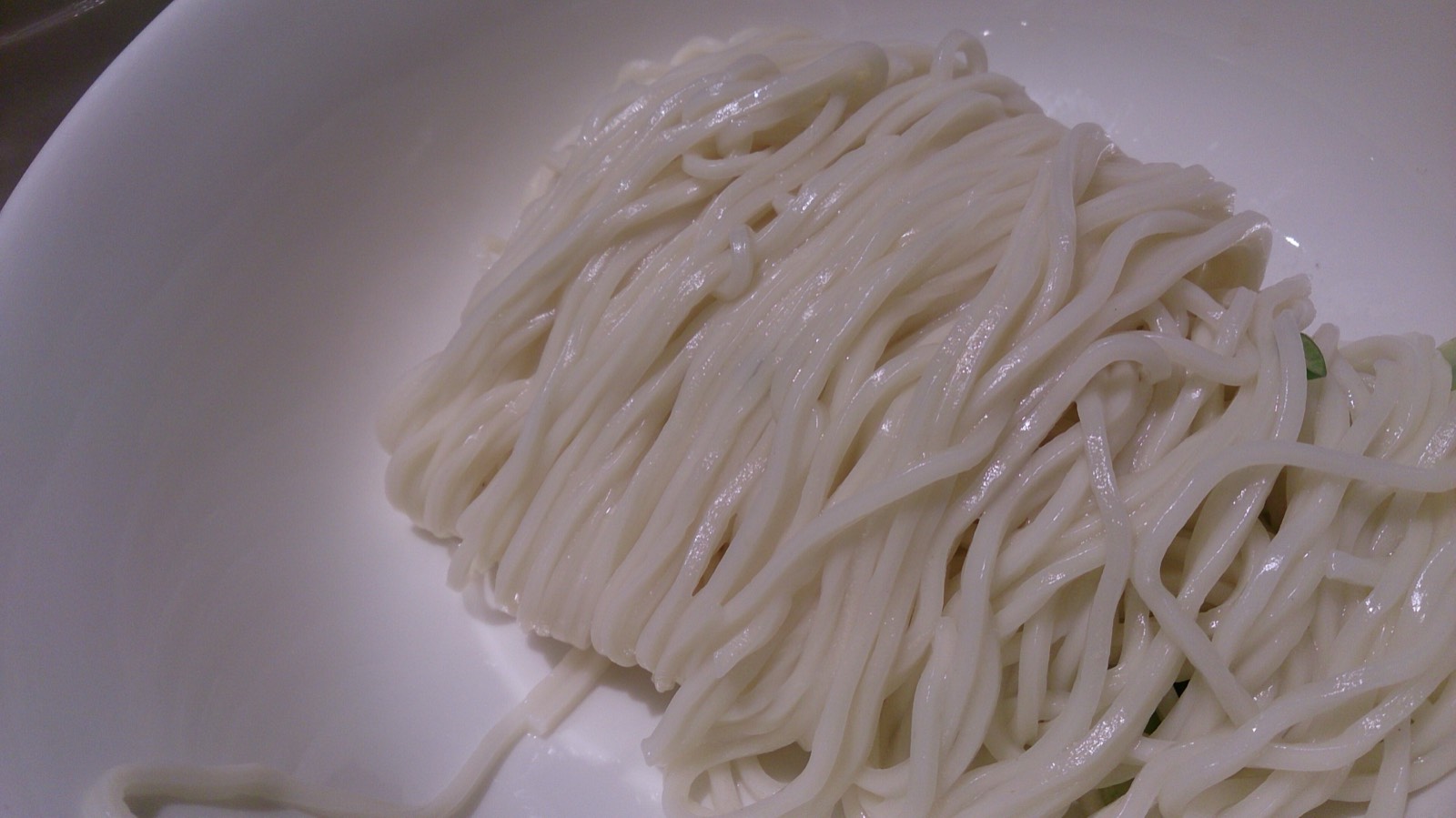
Photo: ProjectManhattan · CC BY-SA 3.0 · resized
Food is, for a great many visitors, the best part of the trip, and the gap between Chinese food abroad and Chinese food in China is enormous. What is served in the West derives largely from Cantonese emigrant cooking, adapted to local produce and palates. In China you get eight recognised major traditions and dozens of regional sub-styles, using ingredients, techniques and flavour combinations that never made the journey.
The eight great cuisines, briefly
| Cuisine | Region | Character |
|---|---|---|
| Cantonese (Yue) | Guangdong, Hong Kong | Steaming, roasting, freshness above all. Dim sum, roast goose, seafood |
| Sichuan (Chuan) | Sichuan, Chongqing | Ma la — numbing peppercorn against chilli. Over twenty flavour profiles, only some hot |
| Hunan (Xiang) | Hunan | Hotter than Sichuan but without the numbing. Smoked, cured, dry-fried |
| Jiangsu (Su) | Jiangsu | Refined, slightly sweet, knife-work led. Braises and clear soups |
| Zhejiang (Zhe) | Zhejiang | Fresh, light, tender. Dongpo pork, West Lake fish |
| Fujian (Min) | Fujian | Broths and stocks, seafood, a touch of sweet-sour. Buddha Jumps Over the Wall |
| Anhui (Hui) | Anhui | Wild mountain ingredients, braising, fermented tofu |
| Shandong (Lu) | Shandong | The northern classical tradition — the ancestor of imperial Beijing cooking |
How a meal works
Chinese meals are shared. Dishes arrive when they are ready rather than in courses, land in the middle of the table, and everyone eats from them with their own bowl and chopsticks. Rice usually comes last in a formal meal and alongside in a casual one. For two people, order two or three dishes plus rice; for four, four or five. Ordering one dish each will bury you.
- Scan the QR codeMost restaurants now order through a mini-program on the table. Your phone's browser translation handles it reasonably well.
- Balance the tableOne meat, one vegetable, one tofu or egg, one soup is the standard shape. Vary the cooking methods — not three fried things.
- Ask for less chilli if you want it'Bu yao la' (不要辣) means no chilli; 'wei la' (微辣) means mildly spicy. Restaurants in Sichuan and Hunan are used to the request.
- TeaUsually free and refilled endlessly. Tap the table with two fingers to thank whoever pours — a small courtesy that always lands well.
Dietary requirements
| Need | Reality | What to say |
|---|---|---|
| Vegetarian | Harder than expected — pork stock and lard are everywhere | 我吃素 (wǒ chī sù). Buddhist restaurants near temples are the reliable option |
| Vegan | Difficult outside Buddhist restaurants | 全素 (quán sù) — 'completely vegetarian'. Show it written down |
| Nut allergy | Peanuts and peanut oil are extremely common | Carry a written card. This is a genuine risk, not a preference |
| Gluten | Wheat dominates the north; soy sauce contains wheat | Rice-based southern cooking is easier. Bring a written card |
| Halal | Widely available — look for 清真 (qīngzhēn) | Xi'an, Lanzhou, Xinjiang and every city's Muslim quarter |
Street food and hygiene
Street food is one of the great pleasures of China and, handled sensibly, is not a significant risk. The working rules are the same as anywhere: eat where there is a queue of locals, prefer things cooked to order in front of you at high heat, be wary of cut fruit and cold dishes that have been sitting out, and never drink the tap water — including the ice in a drink from an informal stall.
Bottled water is sold everywhere for ¥2–3. Hotel kettles and the boiling-water dispensers on every train and in every station exist for exactly this reason; Chinese travellers carry a flask and refill it constantly, which is both cheaper and less wasteful.
Dishes to seek out
- Peking duck in Beijing, carved at the table, with pancakes and sweet bean sauce
- Xi'an's roujiamo and biangbiang noodles, and lamb paomo with the bread you shred yourself
- Chengdu mapo tofu at Chen Mapo, where it was invented
- Soup dumplings in Shanghai, and shengjianbao with a crunchy fried base
- Yunnan's crossing-the-bridge noodles, assembled at the table in boiling broth
- Cantonese dim sum in Guangzhou, before 10:30, with tea
- Guizhou's sour fish soup, fermented and unlike anything else
- Lanzhou beef noodles, hand-pulled to your requested thickness, eaten for breakfast
→Next guide
Etiquette & Cultural Notes
China is far less formal than visitors expect, and the rules that matter are few. Here are the ones that are genuinely worth knowing.