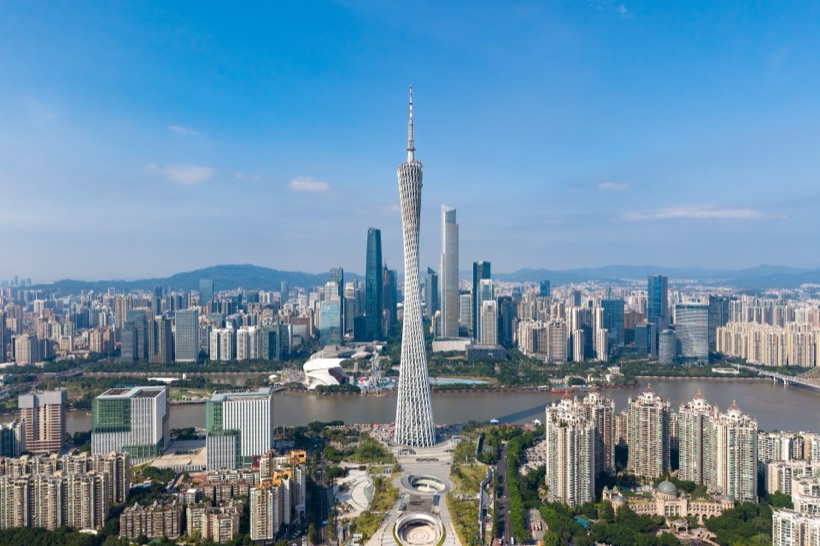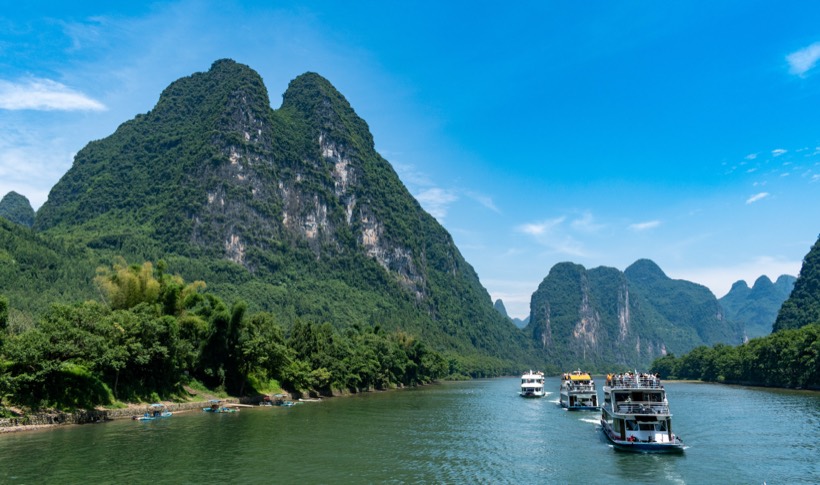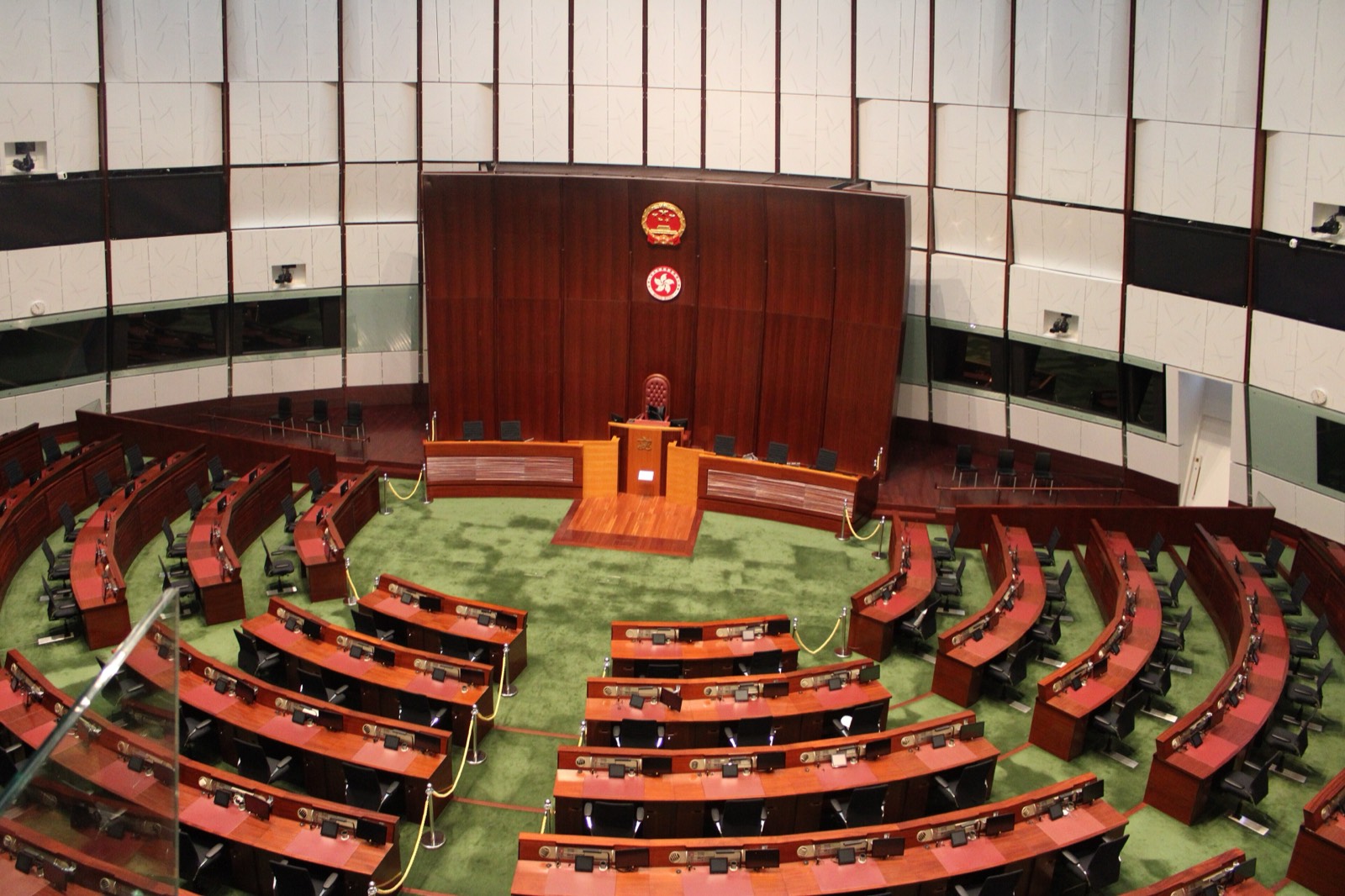
Hong Kong
香港 · Xiānggǎng
The densest skyline on earth pressed against jungle mountains, with 40% of the territory protected as country park.
Hong Kong is a Special Administrative Region with its own currency, immigration, legal system and — critically for travellers — no internet restrictions. Google, WhatsApp and Instagram work normally. It is also, physically, one of the most dramatic city sites in the world: a deep-water harbour between Kowloon's peninsula and an island of 550-metre granite peaks, with towers built right up to the slope and the tropical hillside behind.
The received itinerary is the Peak Tram, the Star Ferry, and the harbour light show, and all three are worth doing. But the reason to give it three days is the contrast: within 40 minutes of Central you can be on Lantau's Big Buddha, walking the Dragon's Back ridge above the South China Sea, eating at a dai pai dong under a tenement, or on an outlying island with no cars.
It is expensive by Chinese-mainland standards — reckon on double for hotels — and it is worth building into a southern China trip specifically because it is so different. Note that Hong Kong immigration is separate: most Western passports get 90 days visa-free on arrival, but going from Hong Kong into the mainland requires your mainland visa or visa-free eligibility, and vice versa.
Why go
- Unrestricted internet, English everywhere, and the easiest possible landing in Chinese-speaking Asia
- The harbour and the Peak view, which remain genuinely spectacular
- Hiking: 40% of the land area is country park, with trails 30 minutes from downtown
- Cantonese food at every price point, from ¥40 noodles to three Michelin stars
Highlights
Victoria Peak
Take the 1888 funicular tram up, walk the flat 3.5 km Lugard Road circuit, and skip the paid Sky Terrace — the free viewpoints on the loop are better.
Star Ferry
HK$5 and eight minutes across the harbour, running since 1888. The single best-value experience in the city; go at dusk.
Tian Tan Buddha, Lantau
A 34 m bronze Buddha on a hilltop, reached by a 25-minute cable car with glass-floor cabins over the sea and forest.
Temple Street & Sham Shui Po
Kowloon's night market and, further north, the electronics-and-fabric district that is the most unvarnished part of the city.
Dragon's Back
A 2-hour ridge walk on Hong Kong Island with the sea on both sides, ending at a beach with a bus back. The best short hike in urban Asia.
Tai O
A stilt-house fishing village on Lantau, salt-smelling and slow, with pink dolphin boat trips.
Photographs
Getting there & practicalities
Getting there
HKG airport is a major global hub with a 24-minute Airport Express to Central. High-speed rail from West Kowloon: 50 minutes to Guangzhou, 20 to Shenzhen, 9h to Beijing. Ferries run to Macau and Zhuhai.
Tickets
Peak Tram HK$88 return; Ngong Ping cable car HK$255 return; Star Ferry HK$5. An Octopus card or your phone's contactless covers all transport.
Opening hours
The city runs late; markets to 23:00, MTR to around 01:00.
Best time of day
October to December is the best weather. Summer is hot, humid and typhoon-prone; March brings fog that hides the Peak view.
What everyone gets wrong
- Hong Kong is a separate immigration zone. Entering the mainland from here uses a fresh visa entry or your visa-free allowance — plan the sequence.
- Alipay and WeChat Pay work but Octopus and contactless cards are more universal here. Bring a physical card.
- The Peak Tram queue can hit 90 minutes. Bus 15 from Central goes up the same hill for HK$12 with better views.
- Hotels are small and expensive; the value is in Kowloon rather than on the island.
- Typhoon signal 8 shuts the entire city, including the airport. It happens a few times each summer.
What to eat
- Roast goose at Yat Lok or Kam's; cha chaan teng breakfasts of milk tea, macaroni soup and French toast
- Dim sum at Lin Heung or Lung King Heen depending on budget
- Dai pai dong wok hei — street stall stir-fries in Sham Shui Po and Central
→Combine it with