Guangzhou
广州 · Guǎngzhōu
Canton: two thousand years of foreign trade, the birthplace of dim sum, and the best eating city in China.
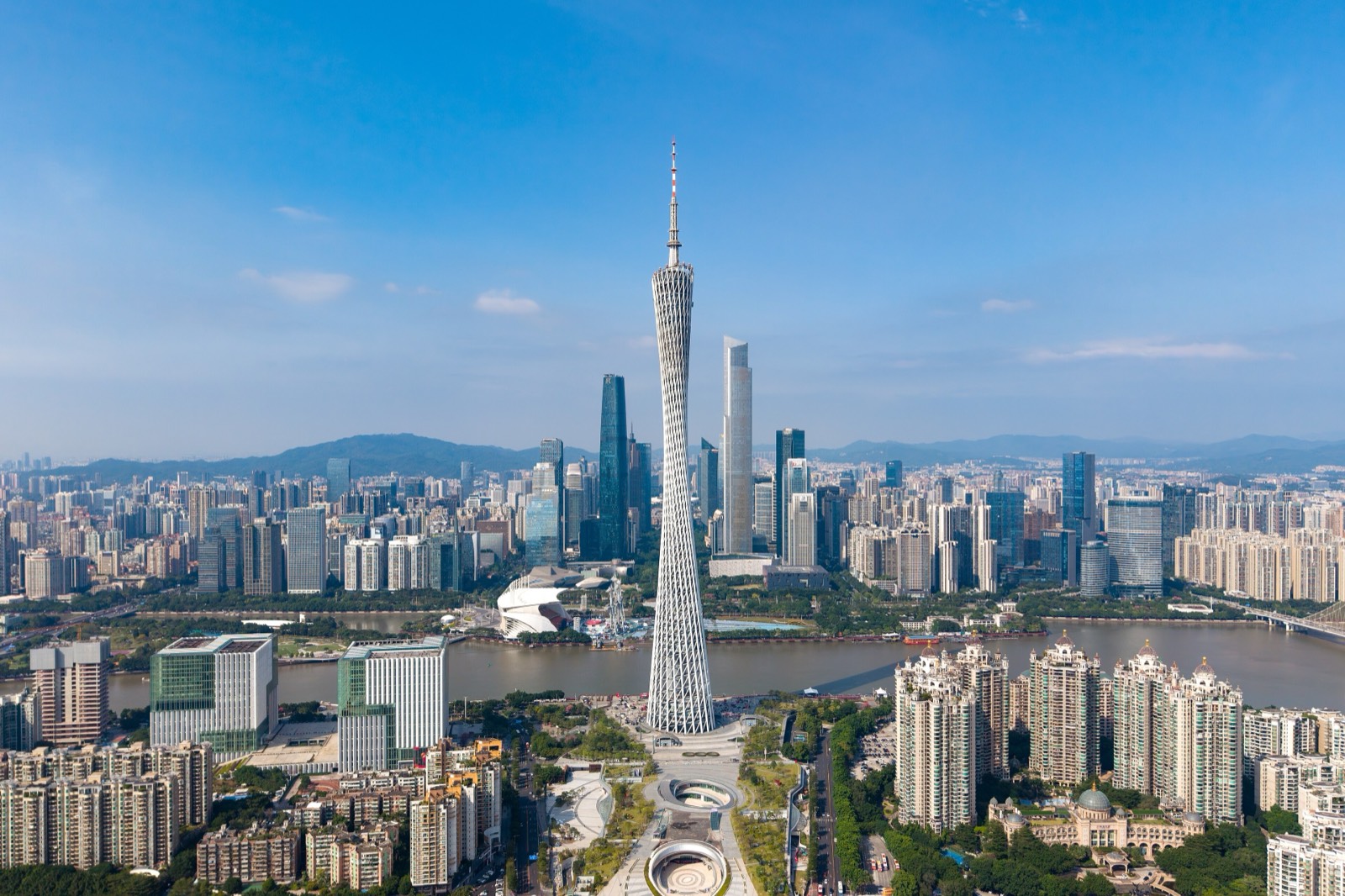
Photo: Tim Wu · CC BY-SA 4.0 · resized
Guangzhou has been trading with the outside world for longer than anywhere else in China. Arab and Persian merchants had a resident quarter here in the Tang; the Portuguese arrived in 1517; and from 1757 to 1842 the Thirteen Factories on the Pearl River waterfront were the only place in the entire empire where Westerners were permitted to do business at all. The Opium Wars started over what happened here.
That history left a city that feels different from Beijing or Shanghai — Cantonese-speaking, commercially minded, less interested in politics, and organised around food to a degree that visitors from elsewhere in China find funny. Yum cha is not a meal, it is a social institution: tea and dim sum from 06:30, tables of extended family, trolleys, and a bill calculated by counting stamps on a card.
It is not a monument city. The pleasures are Shamian Island's leafy colonial quarter, the Chen Clan Academy's insane density of ceramic and wood carving, the night skyline from the Canton Tower, and a food scene that runs from ¥15 wonton noodles to some of the best restaurants in Asia. Treat it as two days of eating with sightseeing attached.
Why go
- The best food city in China, by a margin that Cantonese people consider self-evident
- Shamian Island and the Thirteen Factories waterfront — the physical site of the Opium War trade
- The Chen Clan Academy, the finest decorative craftwork building in the south
- Hong Kong is 50 minutes away by high-speed rail
Highlights
Yum cha
Dim sum from 06:30. Bright Filial Piety area teahouses, Dian Dou De, Tao Tao Ju, or Guangzhou Restaurant. Har gow, siu mai, cheung fun, lo mai gai, egg tarts.
Chen Clan Ancestral Hall
An 1894 clan academy covered in ceramic roof friezes, wood carving, brick relief and iron work — the most concentrated craftsmanship in Guangdong. Now the folk art museum.
Shamian Island
A sandbank ceded to Britain and France in 1859, now a quiet quarter of banyan trees and colonial banks, consulates and churches. Best in the early evening.
Canton Tower
600 m of twisted lattice, with a bubble tram and drop tower at the top. The view along the Pearl River at night is the city's best.
Yuexiu Park & the Nanyue King Museum
The 2,000-year-old tomb of a king of the Nanyue kingdom, excavated intact with its jade burial suit — one of the best archaeological museums in China.
Qingping & Yide Road markets
Dried seafood, herbs, and a wholesale district that explains a great deal about Cantonese cooking.
Photographs
Getting there & practicalities
Getting there
Guangzhou South station is the southern hub: 8h from Beijing, 50 minutes from Hong Kong West Kowloon, 30 minutes from Shenzhen, 3h from Guilin. Baiyun airport is a major international gateway. The metro is excellent.
Tickets
Chen Clan Academy ¥10; Nanyue King Museum ¥12; Canton Tower ¥150–228 depending on level; Shamian free.
Opening hours
Museums 09:00–17:00, mostly closed Mondays. Canton Tower until 22:30.
Best time of day
October to December is the good season. April to September is hot, wet and typhoon-prone.
What everyone gets wrong
- Learn two phrases of Cantonese — 'm goi' (thanks / excuse me) will get you a genuinely warm response.
- Dim sum is a morning meal. The good teahouses are busiest and best between 08:00 and 10:30.
- Guangzhou is a legitimate 240-hour visa-free transit port, so it works as a stopover on an Asia routing.
- The Canton Fair (April and October) fills every hotel in the city and triples prices. Check the dates.
- Foshan, 30 minutes away on the metro, has the Ancestral Temple and a serious Wing Chun and lion-dance tradition.
What to eat
- Dim sum, obviously — start with har gow, siu mai, char siu bao and cheung fun
- Roast goose and char siu from a siu mei shop window
- Wonton noodles with a bamboo-pressed egg noodle; and a bowl of old fire soup (lao huo tang)
→Combine it with
Nearby and next
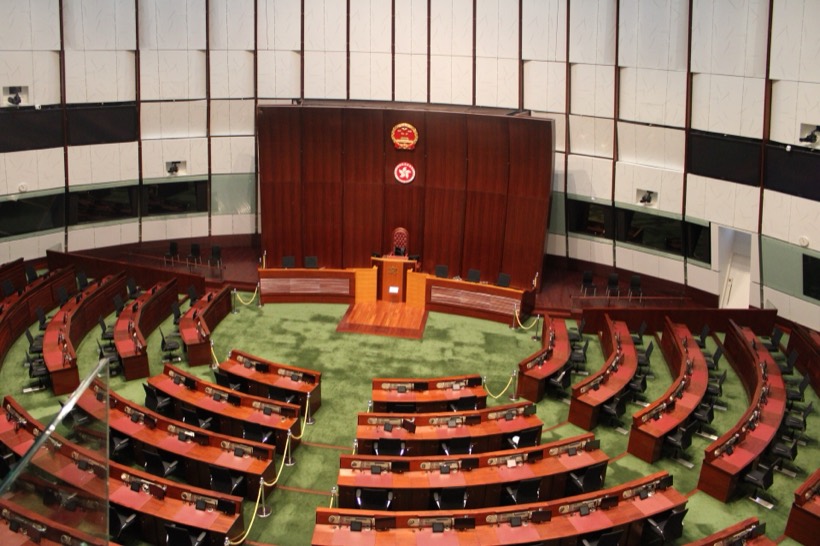
Hong Kong 香港
The densest skyline on earth pressed against jungle mountains, with 40% of the territory protected as country park.
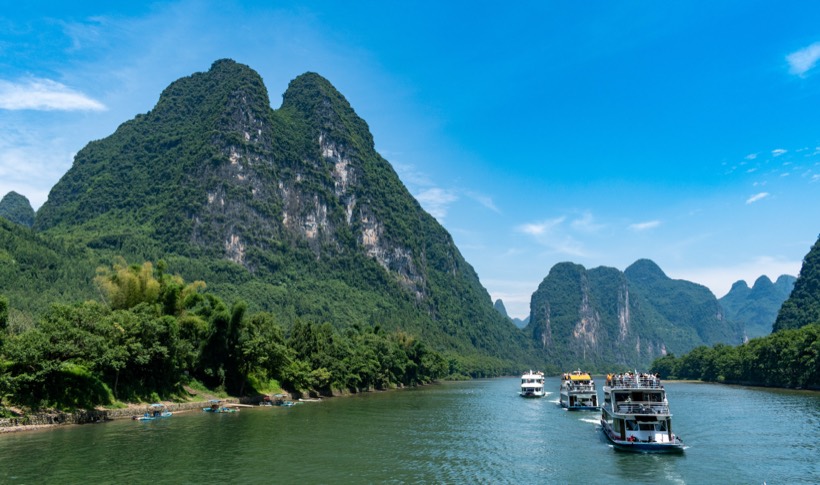
Li River & Yangshuo 漓江与阳朔
The scenery on the back of the ¥20 note: limestone towers, bamboo, water buffalo and a river that bends between them for 83 kilometres.
 UNESCO
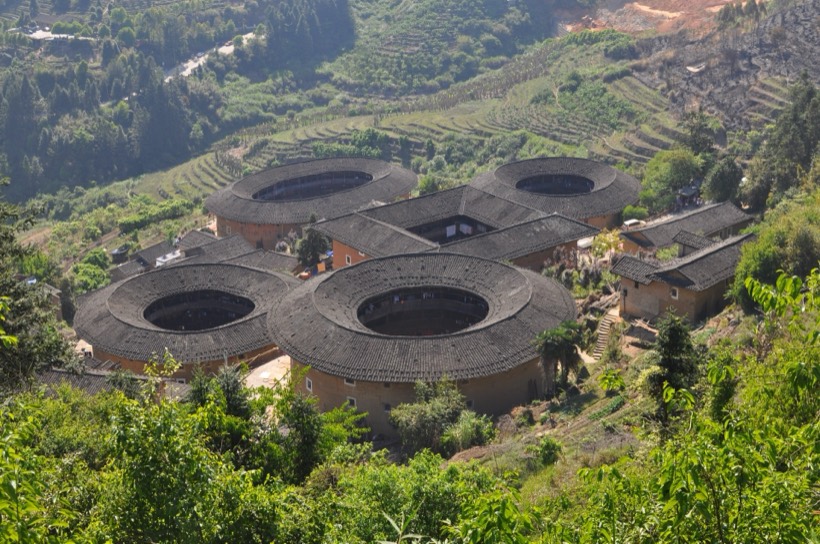
Fujian Tulou 福建土楼
Rammed-earth clan fortresses up to five storeys high and 70 metres across, housing 800 people behind a single door.