Lhasa & the Potala
拉萨与布达拉宫 · Lāsà & Bùdálā Gōng
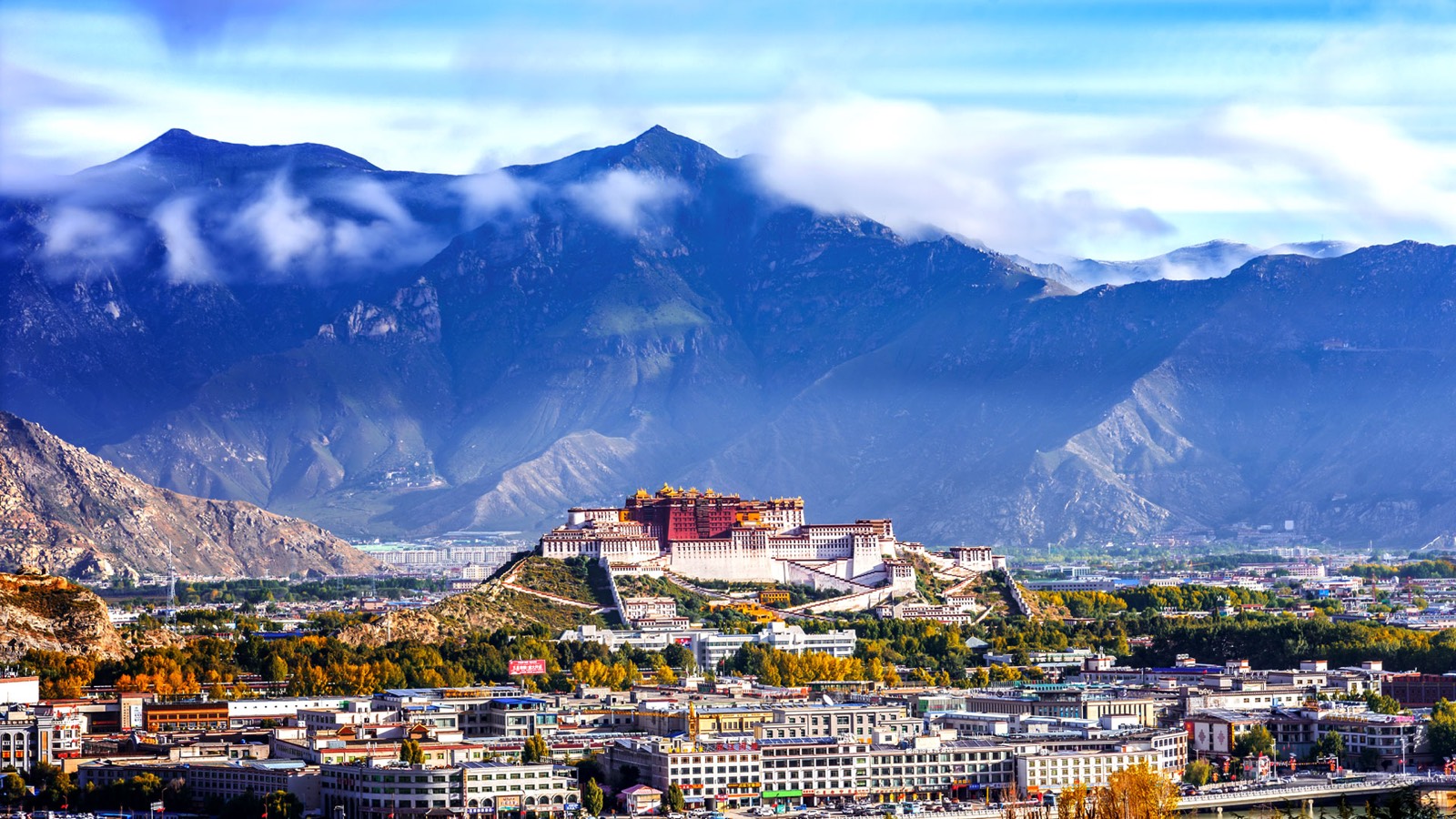
A thousand-room palace on a rock at 3,700 metres, and a pilgrimage circuit that has not stopped turning for thirteen centuries.
Photo: Lhasa Government · CC BY-SA 4.0 · resized
Lhasa sits at 3,656 metres in a valley of the Kyi River, and everything about a visit is shaped by that number. The air holds about 65% of the oxygen at sea level. You will be breathless on stairs for the first two days, you may not sleep well, and the standard advice — arrive, then do nothing for 24 hours — is not caution, it is the itinerary.
The Potala Palace was begun in 1645 by the Fifth Dalai Lama on a hill where a seventh-century fort had stood, and it grew to thirteen storeys, over a thousand rooms and 130 metres of whitewashed and ochre wall rising straight from the rock. It was the seat of the Tibetan government and the Dalai Lamas' winter residence until 1959. Visits are strictly timed — you get an entry slot and roughly an hour inside — and the interior is a dense, dim, butter-lamp-scented sequence of chapels, funerary stupas plated in tonnes of gold, and murals.
But the living heart of Lhasa is the Jokhang and the Barkhor. The Jokhang, founded in 652, is the most sacred temple in Tibetan Buddhism, and pilgrims circumambulate it clockwise along the Barkhor kora all day — spinning prayer wheels, counting mantras, many performing full-body prostrations, some having prostrated the entire way from their home villages. Walk the kora at 07:00 and it is the most affecting hour in this guide.
Why go
- The Potala, which is genuinely one of the great buildings of the world
- Living Tibetan Buddhist practice on a scale you cannot see anywhere else
- Drepung and Sera monasteries, and the monks' afternoon debate courtyard at Sera
- The Qinghai–Tibet railway, the highest in the world, as a way in
Highlights
Potala Palace
Timed entry, roughly one hour inside, with a steep climb to the entrance. The Red Palace's funerary stupas — the Fifth Dalai Lama's is plated with 3.7 tonnes of gold — are the core.
Jokhang Temple
The holiest temple in Tibet, with the Jowo Shakyamuni statue said to have been brought by Princess Wencheng in 641. Go early, with the pilgrims.
Barkhor kora
The circumambulation route around the Jokhang. Clockwise, always. Dawn and dusk are when it is fullest.
Sera Monastery debates
From around 15:00 on weekdays, monks debate scripture in a courtyard with formalised clapping and gesture. Loud, theatrical and genuinely scholarly.
Drepung Monastery
Once the largest monastery in the world with 10,000 monks. Built up a hillside west of the city, with a good kora and views over the valley.
Yamdrok Lake
A day trip over the 4,990 m Kamba La pass to a turquoise scorpion-shaped lake. The classic Tibet photograph.
Photographs
Getting there & practicalities
Getting there
Foreign nationals require a Tibet Travel Permit, obtainable only through a registered agency, and must travel with a booked guide and itinerary — independent travel is not permitted. Allow 15–20 working days for the permit. Fly from Chengdu (2h), Xi'an or Beijing, or take the Qinghai–Tibet railway from Xining (21h), which aids acclimatisation.
Tickets
Potala ¥200 May–October (¥100 winter), allocated through your agency a day ahead. Jokhang ¥85. Sera and Drepung ¥50 each. Your guide handles all of it.
Opening hours
Potala entry slots run 09:00–15:00. Jokhang's inner chapels are open to pilgrims in the morning and tourists in the afternoon.
Best time of day
April–June and September–October. July–August is the rainy season and peak domestic travel; winter is clear, cold and very quiet, with cheaper permits.
What everyone gets wrong
- Do nothing on day one. No sightseeing, no alcohol, no shower that leaves you cold. Drink water constantly.
- Ask your doctor about acetazolamide before you travel. It genuinely helps and needs to be started before you ascend.
- The railway from Xining is the gentler ascent and the carriages are oxygen-enriched. If you have the time, take it.
- Photography is prohibited inside all chapels. This is enforced firmly, and it is a religious rather than a bureaucratic rule.
- Walk koras clockwise, spin prayer wheels clockwise, and do not touch anyone's head or point your feet at an altar.
What to eat
- Tibetan momos, thukpa noodle soup, yak butter tea and sweet milk tea
- Yak steak and yoghurt; and the surprisingly good Nepali restaurants around the Barkhor
→Combine it with
Nearby and next
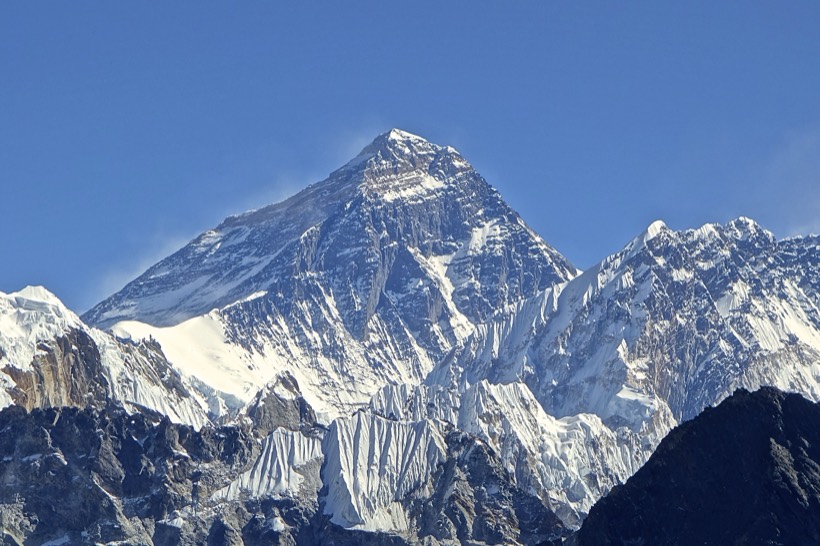
Everest North Base Camp 珠峰大本营
The one side of Everest you can reach by road — 5,200 metres, a monastery, and the whole north face in front of you.
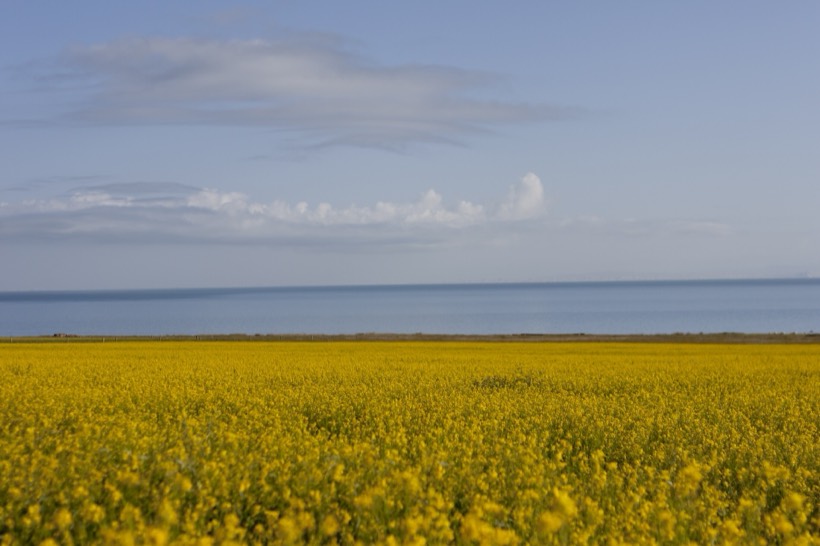
Qinghai Lake & Chaka 青海湖与茶卡盐湖
China's largest lake, saline and 3,200 metres up, ringed by rapeseed fields that turn the shore yellow every July.
 UNESCO
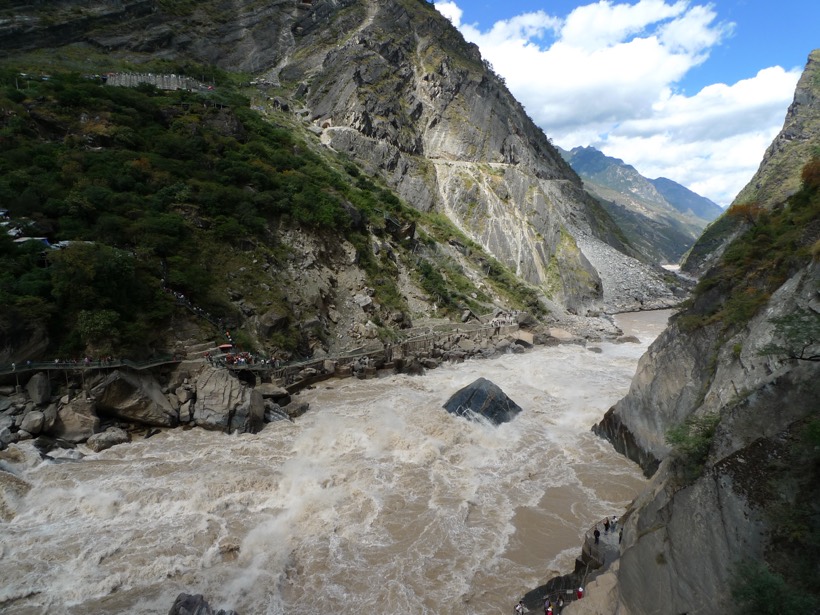
Tiger Leaping Gorge & Shangri-La 虎跳峡与香格里拉
One of the deepest gorges on earth, a two-day trail along its rim, and a Tibetan town at the end of it.