Tiger Leaping Gorge & Shangri-La
虎跳峡与香格里拉 · Hǔtiàoxiá & Xiānggélǐlā
One of the deepest gorges on earth, a two-day trail along its rim, and a Tibetan town at the end of it.
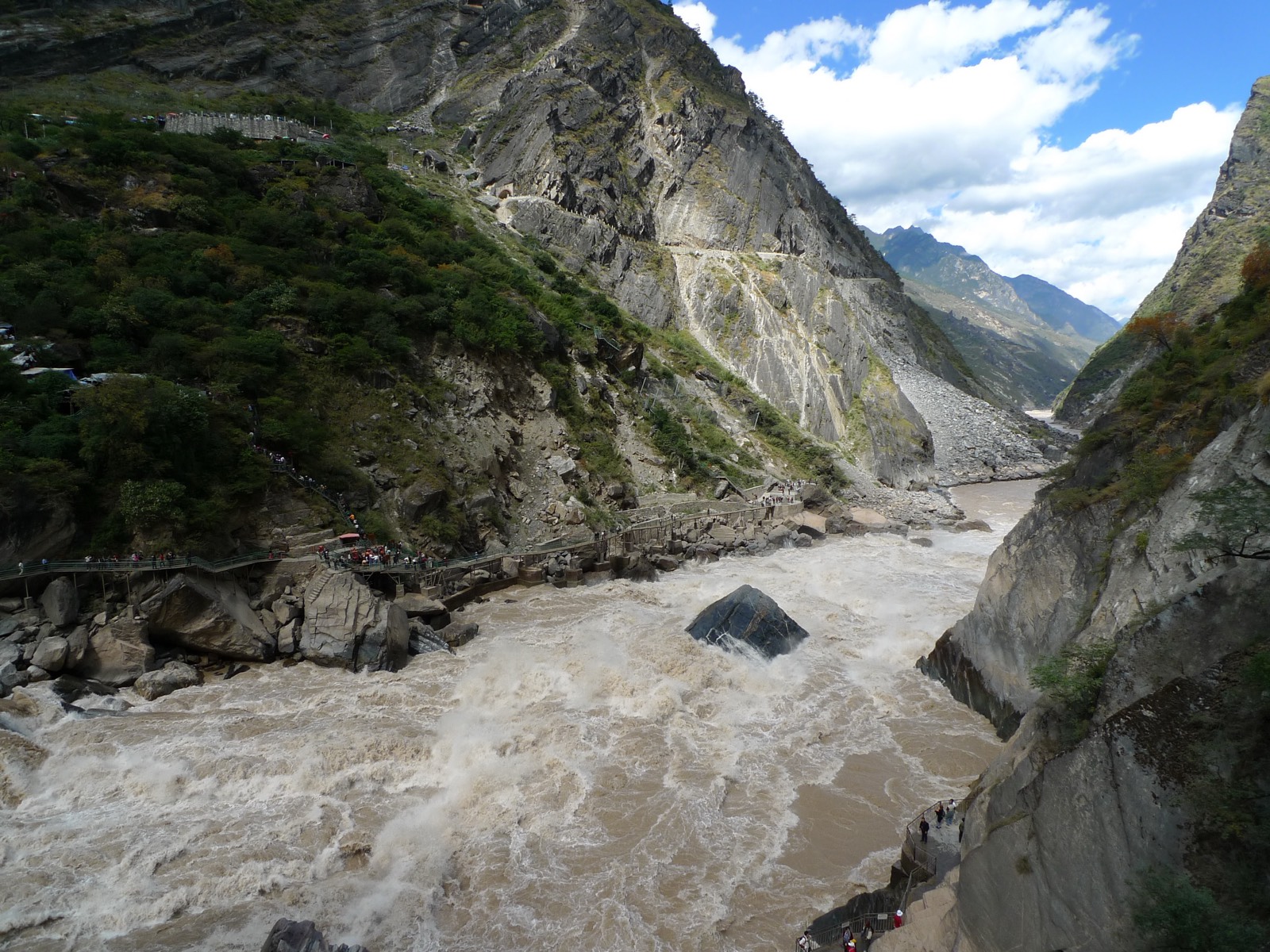
Photo: Gisling · CC BY-SA 3.0 · resized
The Jinsha — the upper Yangtze — cuts between the 5,596 m Jade Dragon Snow Mountain and the 5,396 m Haba Snow Mountain, and at the narrowest point the river is 30 metres wide with 3,900 metres of rock above it. The name comes from a story about a tiger escaping hunters by leaping the river at that point, using a rock in the middle that is still there.
The two-day High Trail is one of the best treks in Asia and requires no permit, no guide and no camping. You start at Qiaotou, climb through the 28 Bends — the hard part, about two hours of switchbacks — and then contour along the gorge wall on a good path, staying overnight at Halfway Guesthouse or Tea Horse, with the snow peaks directly opposite the whole way. Day two descends to Tina's, where you can drop to the river at Middle Rapids and take a bus onward.
From the gorge it is two hours to Shangri-La — formerly Zhongdian, renamed in 2001 in a piece of tourism branding that worked — a genuinely Tibetan town at 3,200 m with the largest Tibetan monastery in Yunnan, a rebuilt old town, and the highland meadows and lakes of Pudacuo behind it. Beyond that lies the road to Deqin and the Meili snow range, one of the most spectacular drives in China.
Why go
- A world-class two-day trek that is genuinely accessible to normal walkers
- Guesthouses with terraces facing a 5,000 m snow wall, at ¥80–200 a night
- Tibetan culture in Shangri-La without the permit requirements of Tibet proper
- Songzanlin Monastery, a small-scale Potala with 700 monks
Highlights
The 28 Bends
The steep switchback climb on day one, roughly two hours, topping out at 2,670 m with the gorge opening below. Everything after this is easier.
Halfway Guesthouse
The famous terrace — and the famous open-air toilet with a snow-mountain view. Book ahead in season.
Middle Rapids & Tiger Leaping Stone
A steep descent from Tina's to the river, where the water goes through the narrows at a genuinely frightening volume. Ladders on the return; ¥15 local toll.
Songzanlin Monastery
Yunnan's largest Tibetan Gelugpa monastery, founded 1679, built up a hillside in tiers. Go at morning prayers.
Pudacuo National Park
Shudu and Bita lakes at 3,500 m, boardwalks through highland meadow and fir forest, yaks, and no crowds.
Baishuitai
White terraced travertine pools on the road between the gorge and Shangri-La, sacred to the Naxi Dongba religion.
Photographs
Getting there & practicalities
Getting there
Buses from Lijiang to Qiaotou take about 2h. From Tina's at the far end, buses run to Shangri-La (2h) or back to Lijiang. The 2023 Lijiang–Shangri-La railway also makes the region much easier.
Tickets
Gorge entry ¥45. Middle Rapids descent ¥15 (a local family toll, cash). Songzanlin ¥90. Pudacuo ¥138 plus ¥120 bus.
Opening hours
The trail is open access. Monasteries 07:30–18:00.
Best time of day
March to May and September to November. The trail is walkable in winter but icy in places; July–August rain brings landslides.
What everyone gets wrong
- Leave your main luggage at your Lijiang guesthouse — they all store bags free — and walk with a daypack.
- The trail is well marked with painted arrows. You do not need a guide, though locals with horses will offer one on the 28 Bends.
- Two full days is right. Doing it in one is possible and misses the point.
- Shangri-La is 3,200 m and people do get altitude symptoms. Go there after the gorge, not before.
- Landslides close sections of the low road occasionally; check at your guesthouse the night before.
What to eat
- Guesthouse dinners on the trail — simple, generous, and the naxi sandwich at Halfway is a minor legend
- In Shangri-La: yak meat hotpot, butter tea, and highland barley wine
→Combine it with
Nearby and next
 UNESCO
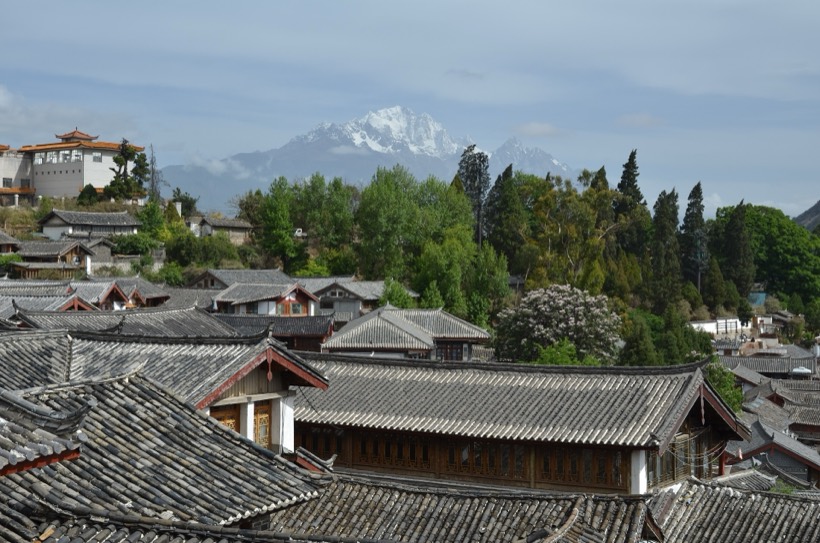
Lijiang Old Town 丽江古城
A Naxi town of cobbles and canals under an 5,596-metre snow peak, with the last living pictographic script on earth.
 UNESCO
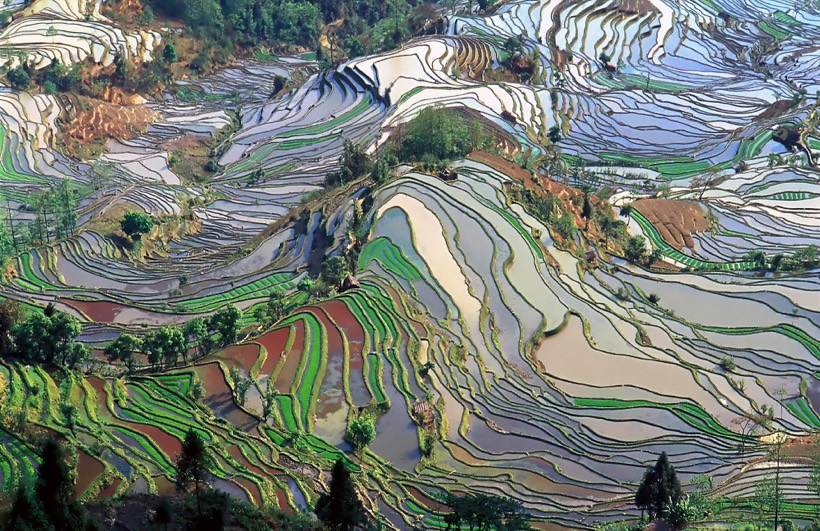
Yuanyang Rice Terraces 元阳梯田
Sixteen hundred years of Hani terracing across a whole mountain range — and in winter, at dawn, the flooded fields turn to fire.
 UNESCO
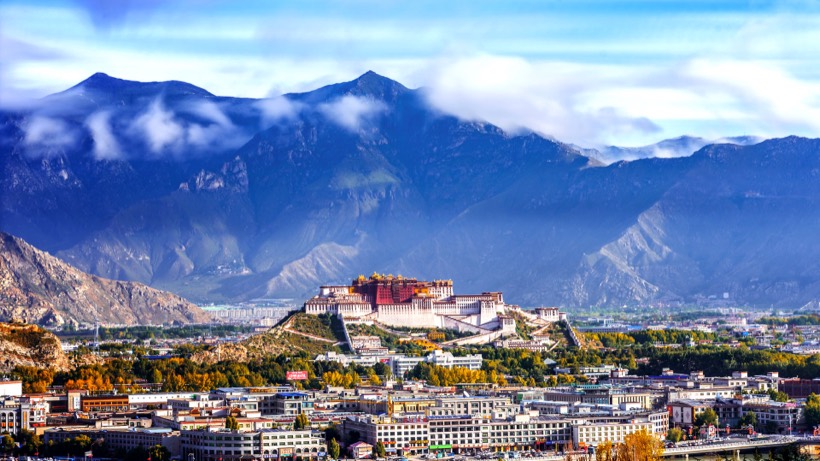
Lhasa & the Potala 拉萨与布达拉宫
A thousand-room palace on a rock at 3,700 metres, and a pilgrimage circuit that has not stopped turning for thirteen centuries.