Yungang Grottoes & Datong
云冈石窟 · Yúngāng Shíkū
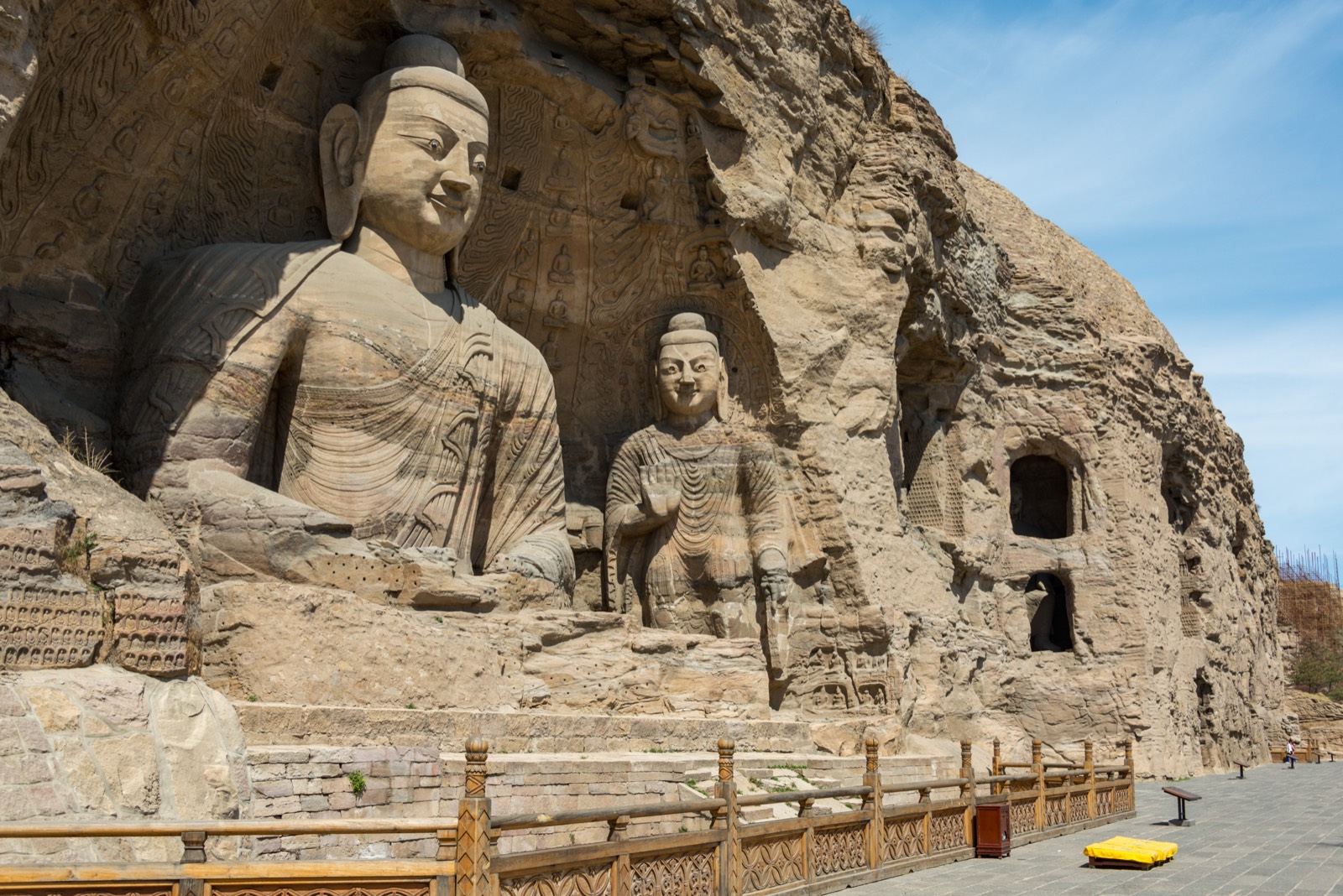
Fifty-one thousand Buddhist statues carved into a sandstone cliff in the 460s, when the idea was still arriving from India.
Photo: xiquinhosilva · CC BY 2.0 · resized
The Northern Wei were a Xianbei people from the steppe who conquered north China and then spent two centuries becoming Chinese. Yungang is what that looked like in stone. Between 460 and 525 their sponsors cut 252 caves into a kilometre of sandstone outside their capital at Datong and filled them with 51,000 figures, from 17-metre colossi down to thumbnail-sized donors carved in their thousands across the ceilings.
What makes Yungang exceptional is that you can watch a style being invented. The earliest caves — the five Tanyao caves, numbers 16 to 20 — are frankly Central Asian: heavy-shouldered Buddhas with Gandharan drapery and Indian faces, one of them reputedly modelled on the emperor. Move east through the site and within sixty years the same workshops are producing slender, robed, distinctly Chinese figures with archaic smiles. The whole transition happens across a few hundred metres of cliff.
Datong itself was a grim coal city that spent a fortune in the 2010s rebuilding its Ming walls and old town. The results are controversial among preservationists and undeniably impressive at night. Use it as a base for the Hanging Monastery and the Yingxian wooden pagoda, both an hour away.
Why go
- The oldest large-scale Buddhist cave complex in China and the least crowded of the big three
- Traces of original mineral pigment survive in several caves — cobalt, malachite, cinnabar
- The Hanging Monastery nearby is one of the most improbable buildings in Asia
- Yingxian Pagoda: 67 metres of nail-free timber, standing since 1056
Highlights
Cave 20
The open-air seated Buddha, 13.7 metres, whose front wall collapsed centuries ago. The image of Yungang, and best in early-morning side light.
Caves 5 and 6
The most elaborately painted and carved interiors, floor to ceiling, with a central pagoda pillar. Cave 6 is a jewellery box — take ten minutes and just look up.
Caves 9–13
The 'Five Flowering Caves', repainted in the Qing in vivid, almost gaudy colour. Divisive and unforgettable.
Hanging Monastery (Xuankong Si)
65 km southeast: a 1,500-year-old temple pinned to a vertical cliff face on wooden struts, 75 metres above a gorge. Combines Buddhist, Daoist and Confucian halls.
Yingxian Wooden Pagoda
The oldest and tallest all-timber pagoda in the world, 1056, built without a single nail and still standing after several major earthquakes. You can no longer climb it.
Photographs
Getting there & practicalities
Getting there
High-speed rail Beijing to Datong takes 1h40. Yungang is 16 km west of the city: bus 3 from Datong station, about 45 minutes, or a taxi for ¥50. Hanging Monastery and Yingxian are best done as a hired-car day (¥400–500).
Tickets
Yungang ¥120 (¥90 in winter). Hanging Monastery ¥15 grounds plus ¥100 to walk the cliff galleries. Yingxian Pagoda ¥50.
Opening hours
Yungang 08:30–17:20 April–October; 08:30–17:00 in winter.
Best time of day
Open at 08:30 for the tour groups' gap; the light on the west-facing Tanyao caves is best before 11:00.
What everyone gets wrong
- Photography without flash is allowed in most caves — a fast lens matters more than a tripod, which is banned.
- Combine Datong with Pingyao: both are on the Shanxi line and they bracket the province's history nicely.
- The walk from the gate through the reconstructed temple approach takes 20 minutes. Factor it in.
- Winter here is brutal — Datong sits at 1,000 m and January averages −10°C — but the caves are empty.
- The Hanging Monastery caps daily numbers on the cliff walkway; go early or expect a wait.
What to eat
- Shanxi is noodle country: knife-shaved daoxiao mian, and youmian kaolaolao steamed oat rolls
- Datong hotpot with local lamb, and aged Shanxi vinegar on everything
→Combine it with
Nearby and next
 UNESCO
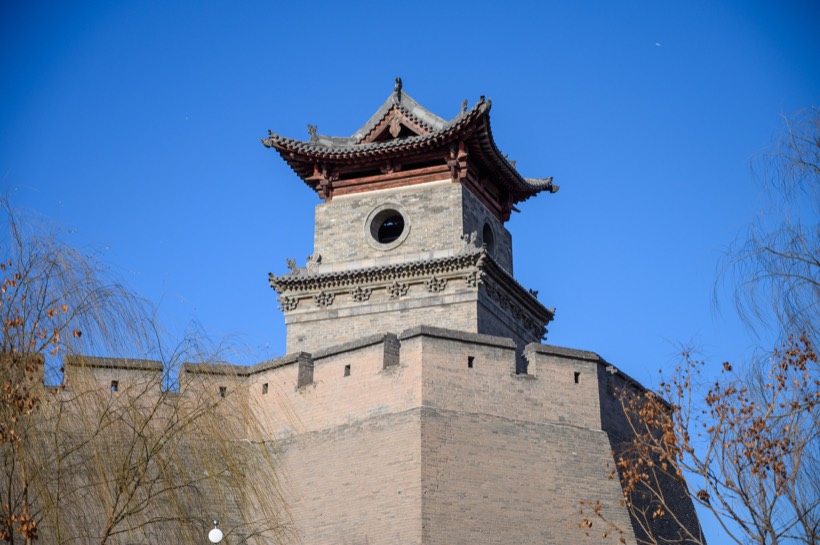
Pingyao Ancient City 平遥古城
A complete walled Ming county town that missed the twentieth century — and invented Chinese banking.
 UNESCO
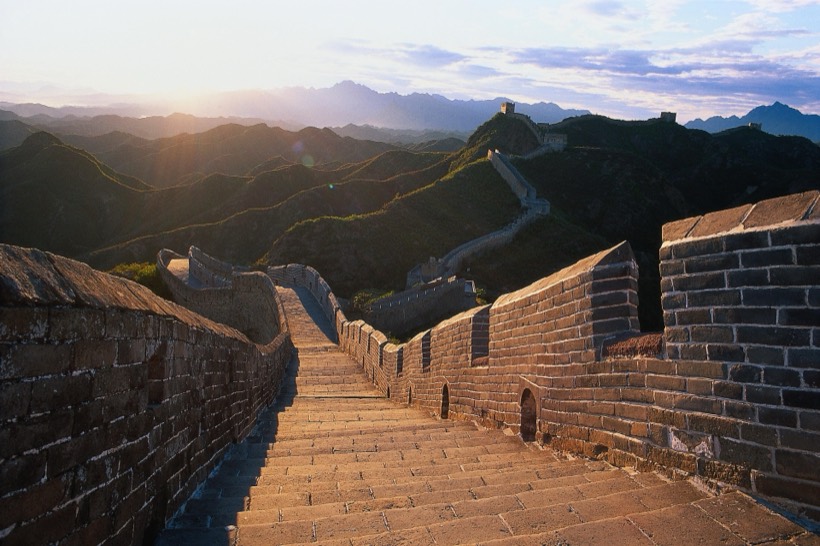
The Great Wall 长城
Not one wall but twenty thousand kilometres of them — and the section you choose decides your entire day.
 UNESCO
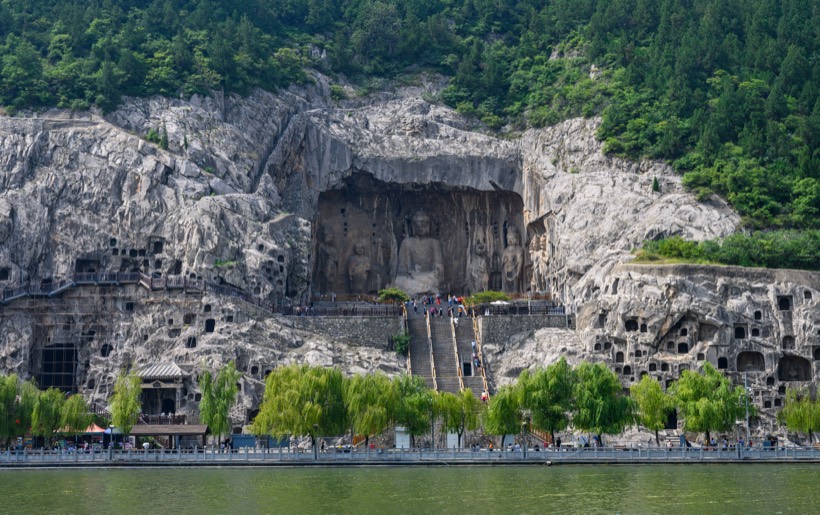
Longmen Grottoes 龙门石窟
A hundred thousand Buddhas carved into two limestone cliffs facing each other across a river — including the one with Empress Wu's face.